Empowering Rural Communities in Egypt Through Post-Harvest Innovations

As part of the Government of Japan-funded project “Reversing Egypt’s Diminishing Food Security,” ICARDA conducted field visits to Qena and Minya on November 30 and December 1, 2025, to follow up on the installation of small post-harvest processing units.
This mission marks a significant step forward in strengthening local food systems, supporting rural livelihoods, and expanding opportunities for women in agricultural value chains.
During this visit, particular attention was given to the newly installed small post-harvest machinery - vegetable slicers, dryers, grinders, sesame oil extractors, and packaging machines - which were successfully delivered, installed, and tested ahead of the mission.
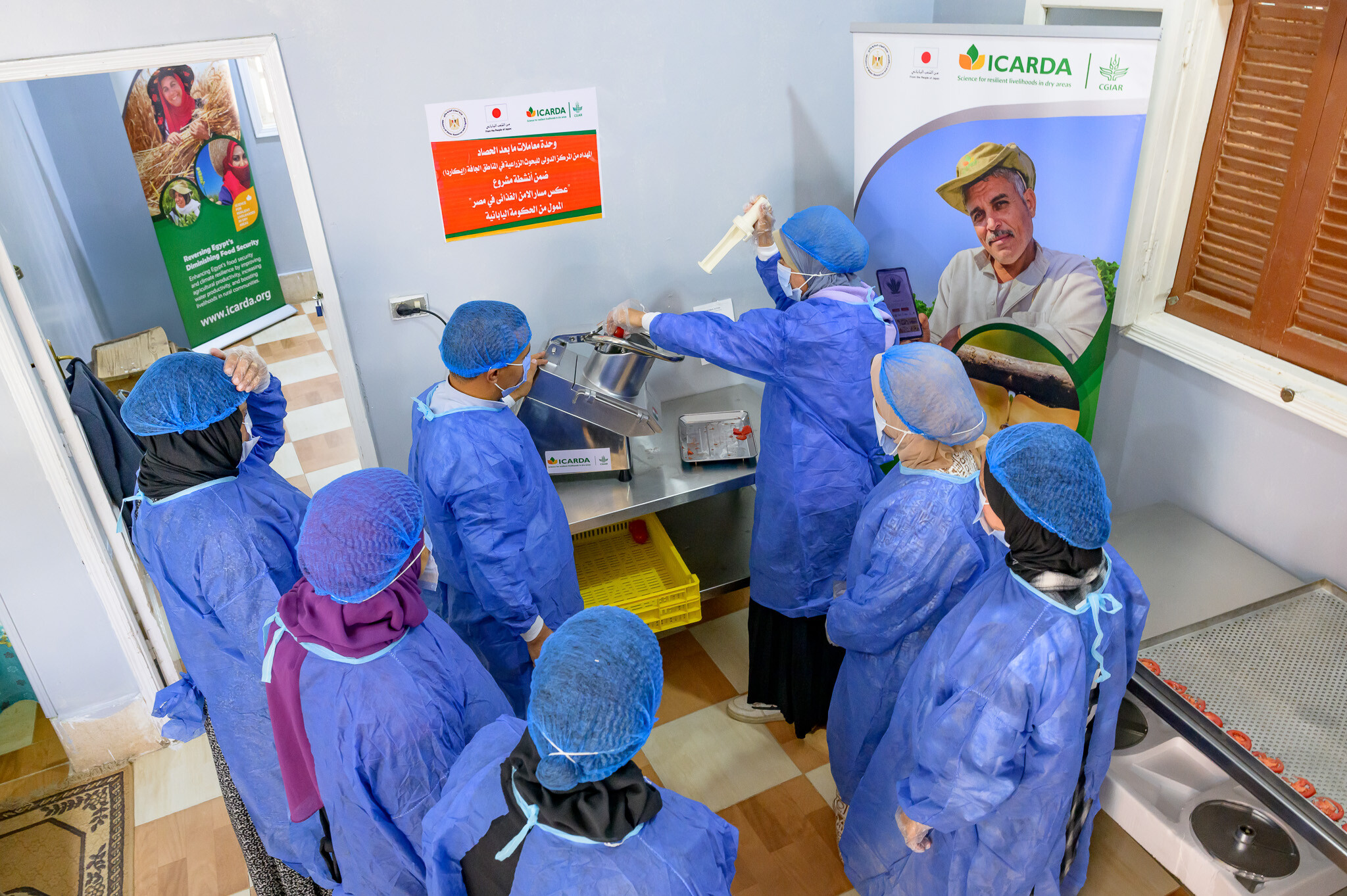
Hands-on operational training was conducted directly on-site for farmers and extension workers, with technical support from Ms. Nagano of Appropriate Agriculture International (AAI), Japan. These units represent a transformative opportunity for community-level value addition, allowing rural households to process, preserve, and package agricultural products more efficiently and hygienically.
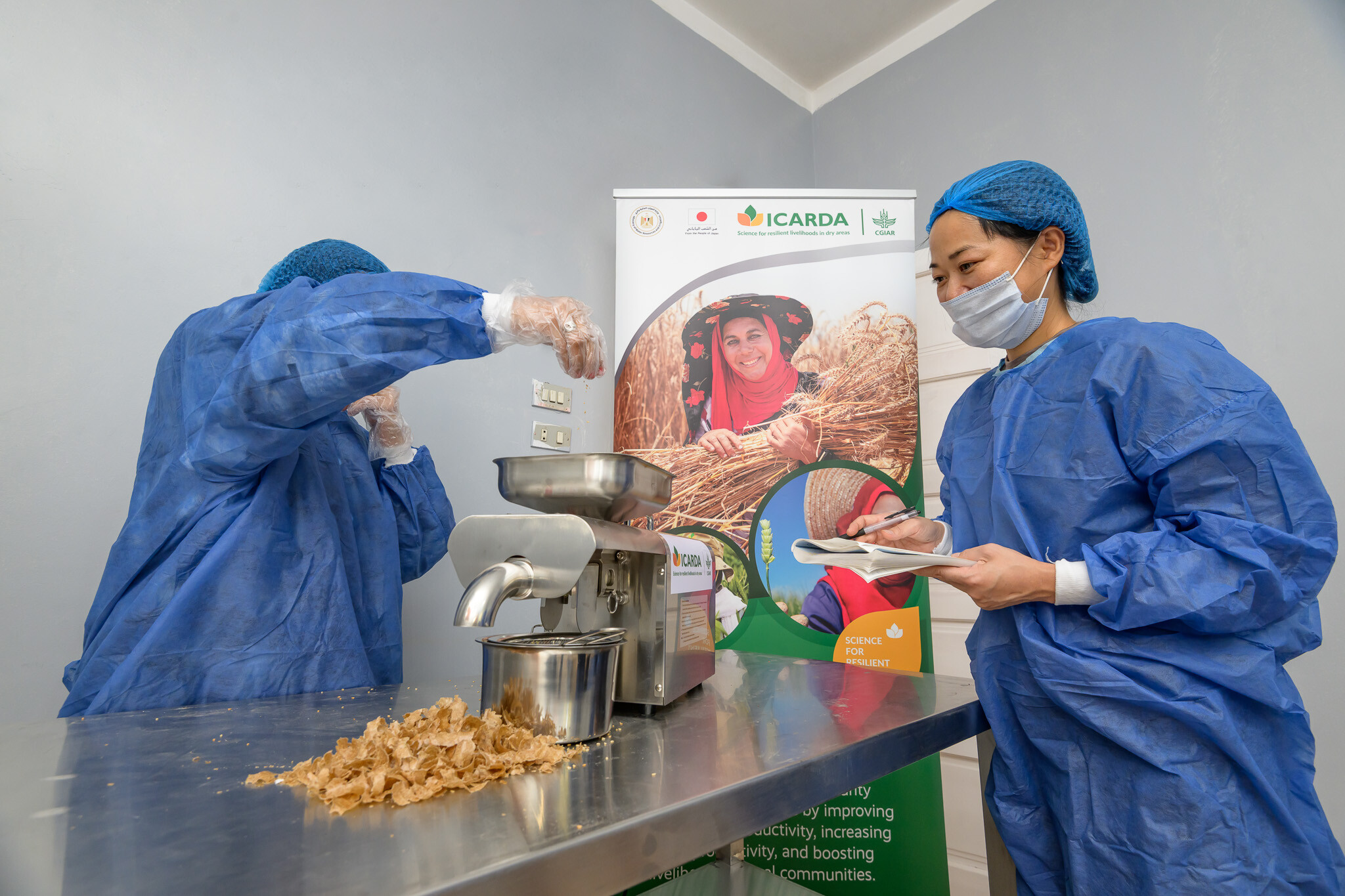
In Qena, the equipment was handed over to a local NGO, Al Karam for Integrated Development in Al Ashraf village, where staff expressed deep appreciation for the technology and optimism about its potential to create dignified employment pathways, particularly for women who have traditionally had limited access to income-generating opportunities.
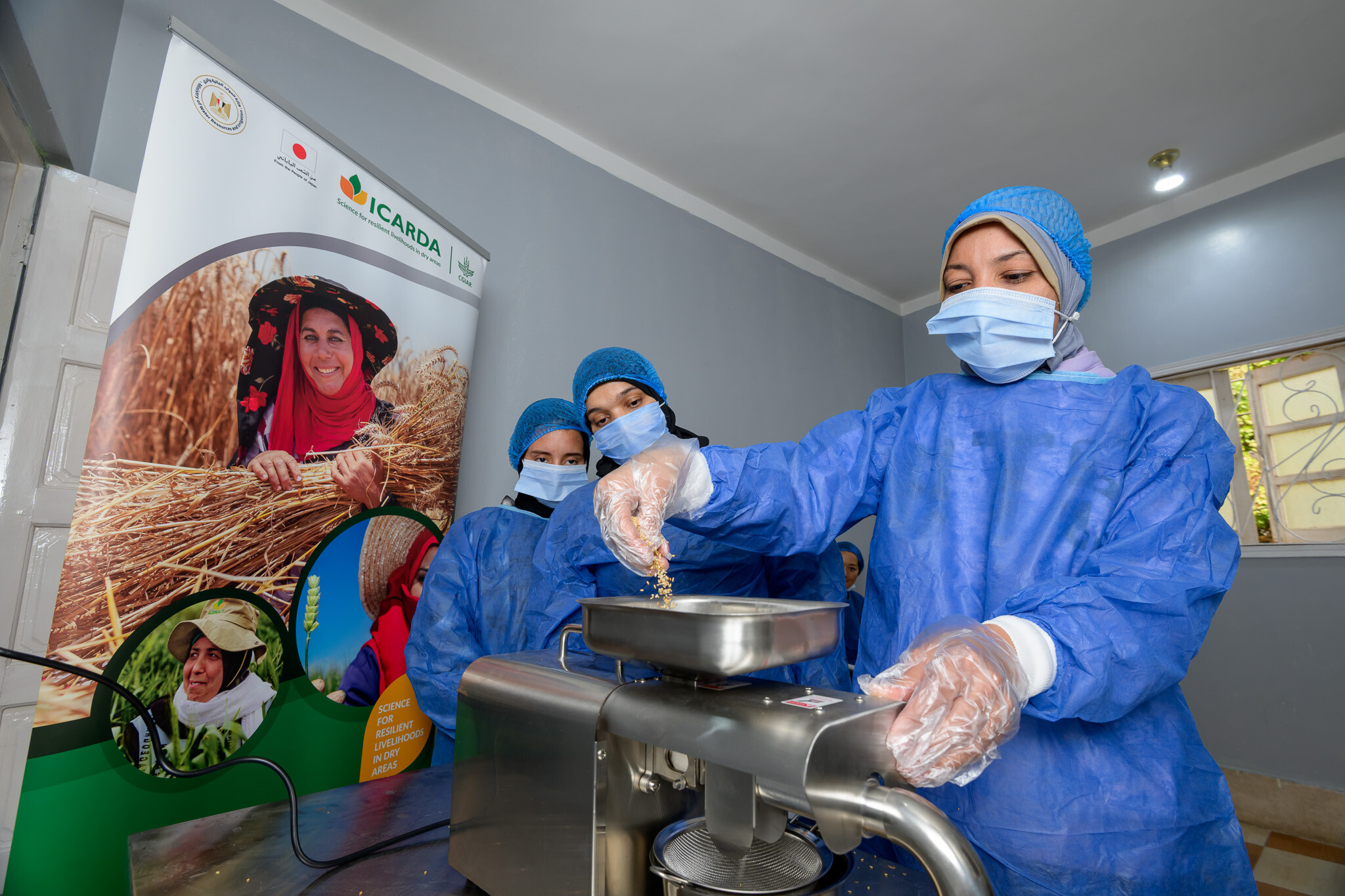
In Minya, the Agricultural Cooperative Association in Abiuha village received the machinery with equal enthusiasm, noting that such tools could shift its role from a raw-product supplier to a small-scale processor capable of producing higher-value goods for local markets.
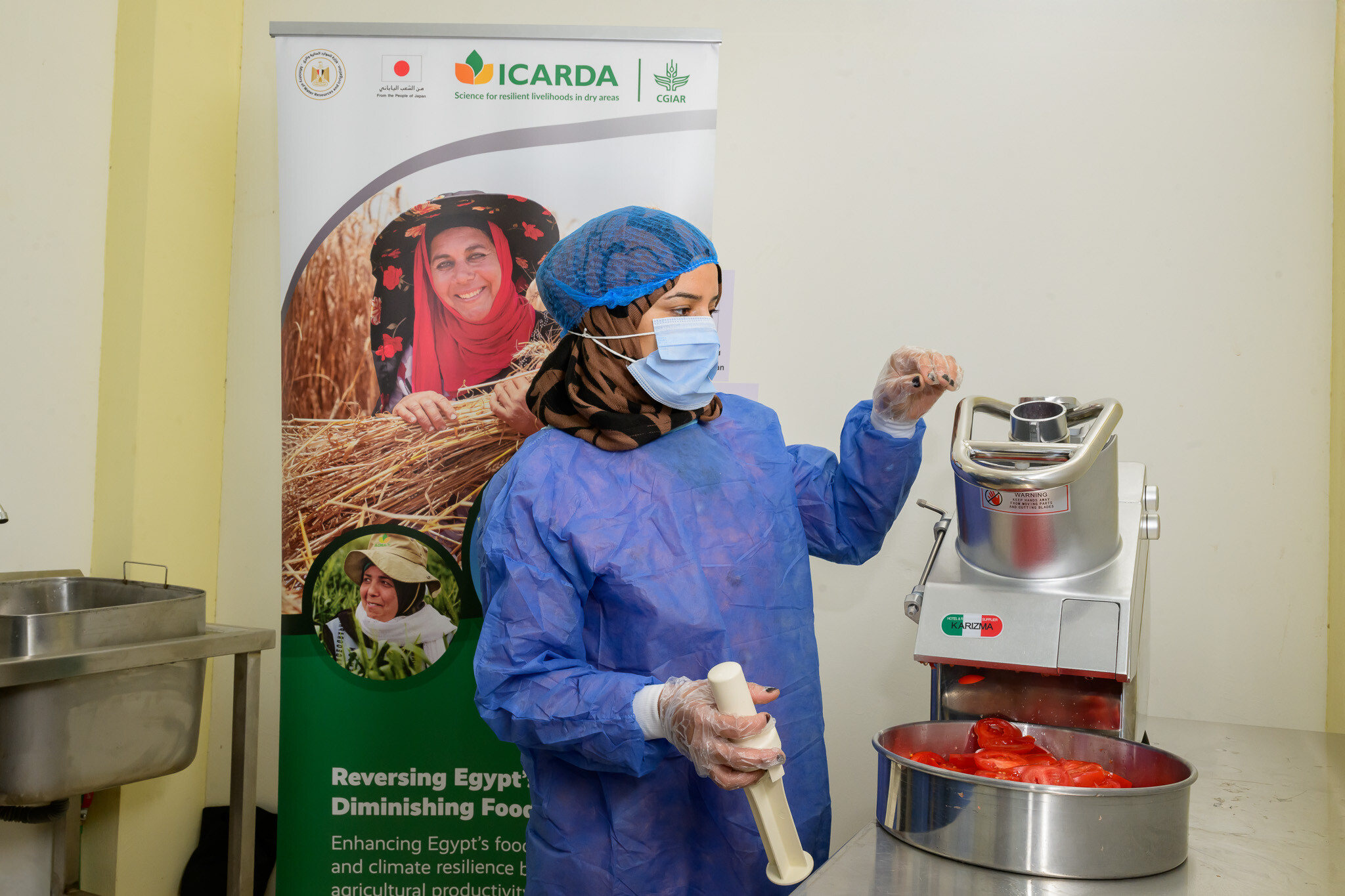
In both locations, community representatives expressed expectations that the new post-harvest units will contribute not only to increased household income but also to greater resilience in the face of rising food prices and climate-related production challenges.
ICARDA, in cooperation with the Egyptian government through the Ministry of Water Resources and Irrigation and Agricultural Extension Services in the Ministry of Agriculture, will work closely with both governorates to monitor how these technologies translate into daily practice and how women’s participation evolves as processing activities expand. Tracking the social and economic impact of these units will be essential to understanding how small-scale mechanization can sustainably strengthen rural livelihoods.
The project team remains committed to ensuring that the beneficiaries continue to receive the technical support they need, and to learning from their experiences to further refine and scale similar interventions in the future.
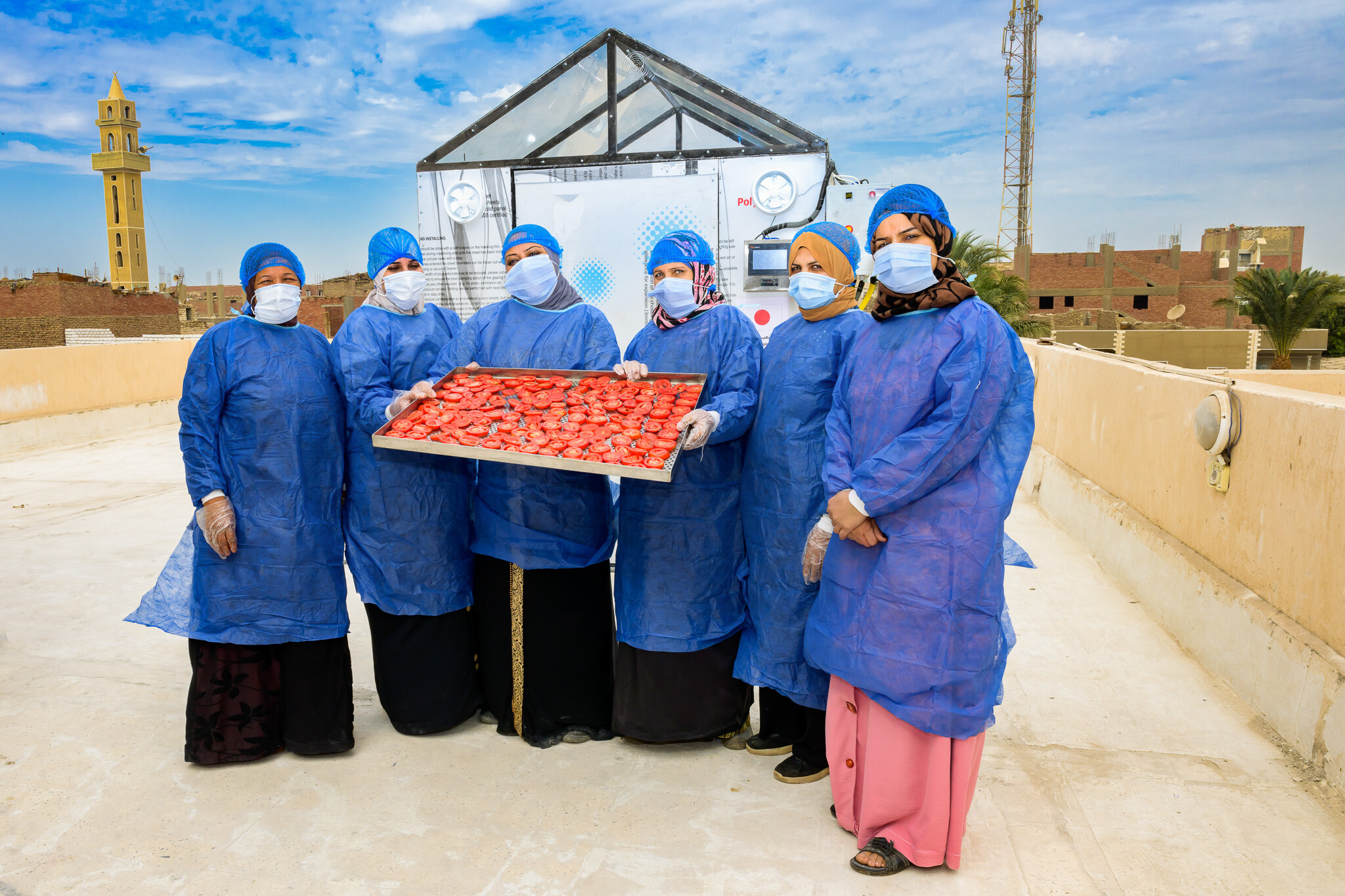
This field mission highlights how targeted technologies, combined with strong local partnerships and international collaboration, can open new opportunities for rural communities. As implementation continues, ICARDA will remain engaged in supporting community-led progress and documenting the transformative changes taking shape across Qena and Minya.
Project Team:
- Dr. Samar Attaher, Research Associate - Agronomist, ICARDA
- Masamufi Tamura, Technical Training Officer, ICARDA
- Dr. Mohie El Din Omar, Research Associate - Irrigation and Water and Egypt Country Coordinator, ICARDA