Fifty Years of ICARDA - End of Year Message from the Director General

Dear Distinguished Partners, Funders, Colleagues, and Friends of ICARDA,
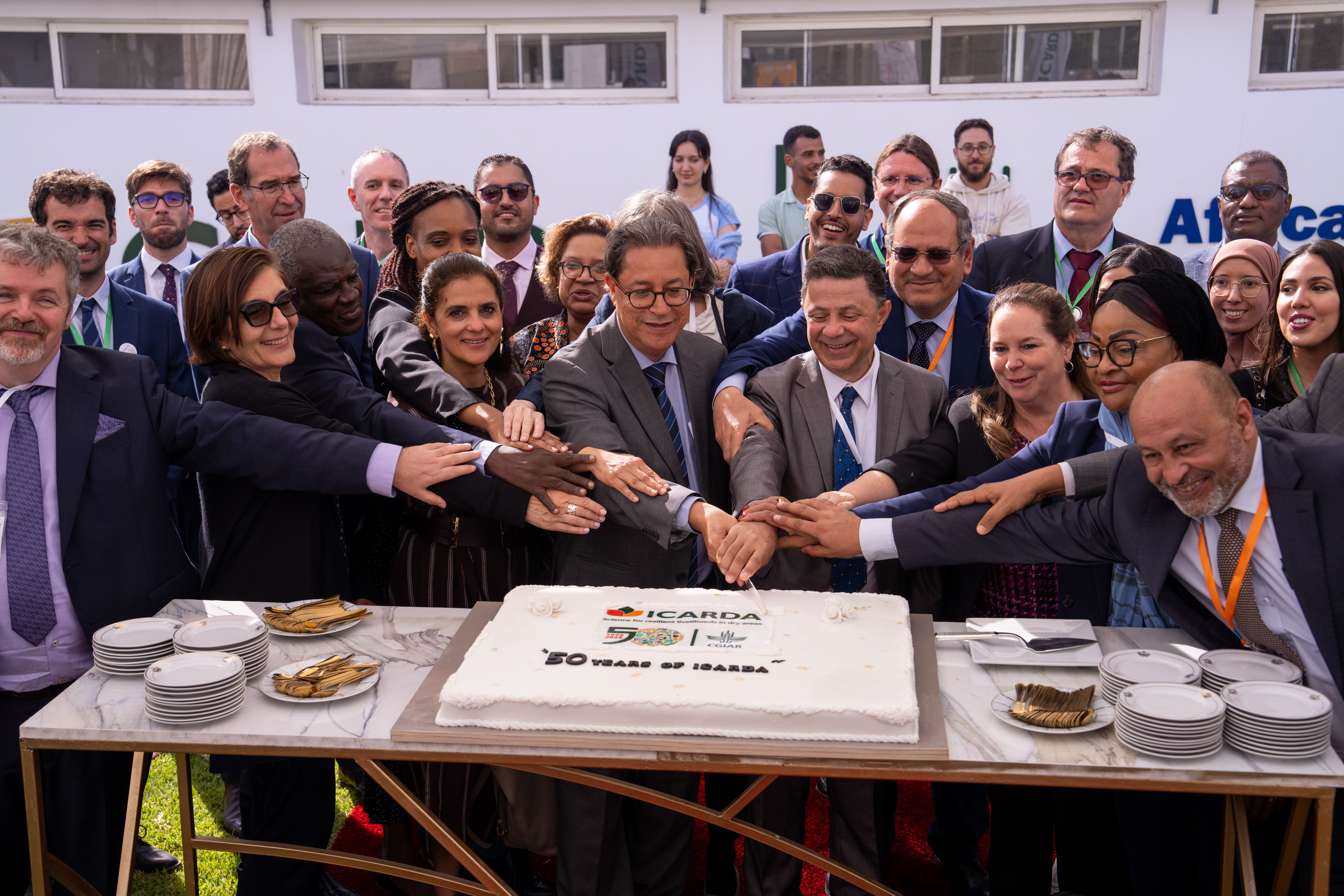
As 2025 draws to a close, we have chosen to spend a good part of this year celebrating fifty years of ICARDA's service to dryland communities through science. This anniversary has given us an opportunity to honor our origins and reflect on the resilience, reinvention, and partnerships that have transformed ICARDA from its earliest days to its place today as a global center of excellence delivering impact across continents. Our history is a story of perseverance, scientific ambition, and an unwavering commitment to the communities we serve.
This milestone year unfolded against a backdrop of continuing turbulence for many of the regions where we work. Conflict, climate extremes, and economic shocks have strained communities, disrupted food systems, and deepened vulnerability. These challenges are a stark reminder that ICARDA's mission remains as critical today as when our charter was signed 50 years ago.
Despite global uncertainty and tightening funding landscapes, 2025 remained a year of stability and steady progress for ICARDA. Our continued growth serves as a testament to the confidence our partners place in our experience and programming across CWANA, as well as the overall relevance of our mission. As we celebrate our past, we remain focused on our future by building the capacity and securing the resources required for ICARDA’s success in the years ahead.
As we honor this legacy, we also pause to remember Dr. Mahmoud Solh, my predecessor, whose recent passing this year was profoundly felt throughout our community. Dr. Solh strengthened ICARDA's scientific foundation and expanded our regional partnerships. His contributions are woven into the fabric of our fifty-year history, and we extend our heartfelt condolences to his family, friends, and colleagues.
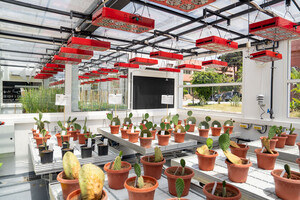
Across our scientific programs, we delivered results that embody the depth of expertise accumulated over five decades. This year, we continued to broaden pathways for sustainable intensification in the drylands through new machine-harvestable lentil varieties in Morocco and Lebanon, three new faba bean varieties in Egypt and Lebanon, and an improved wheat variety in Morocco. We also conducted key research on other underutilized crops, including a safer, improved version of grasspea. In a significant contribution to global crop security, ICARDA's genetic resources team deposited 2,707 seed samples, including faba bean, grasspea, wild lentil, and other climate-resilient species, into the Svalbard Global Seed Vault, ensuring that these vital genetic resources remain protected and available for future generations of scientists and farmers confronting an escalating climate crisis. In addition, our breeding teams exceeded annual genetic gain targets across fourteen market segments, made advances in speed breeding, and launched a new cactus breeding program to accelerate the development of climate-smart varieties, reinforcing ICARDA's expertise within CGIAR's Accelerated Breeding Initiative.
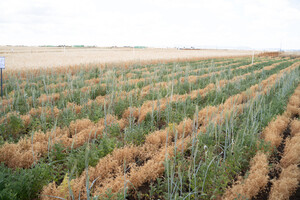
Our Smart Relay Intercropping innovation was selected as one of the top five solutions in Goumbook's 2024-2025 MENAT Regenerative Agriculture Programme, a distinction earned from more than 300 submissions across the region. This recognition was accompanied by practical progress on the ground, from training women in Pakistan to lead compost-making initiatives that protect soils, to unlocking evidence on the potential of agrivoltaics to improve water and land productivity, and expanding weather-based irrigation advisory services that help farmers optimize water use and reduce climate-related risks.
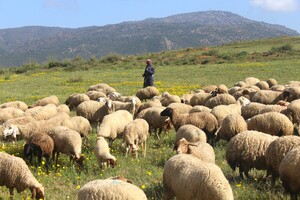
We also made significant strides in livestock research. The release of the first publicly accessible, multi-assembly complete collection of goat gene sequences, or pangenome, marks a major step in understanding genetic diversity and breeding for resilience. Our research on methane-reducing forages has directly contributed to global climate change mitigation efforts, while community-based breeding programs in Ethiopia and a first-ever in Pakistan, as well as gender-transformative approaches such as Start Awareness Support Action (SASA) delivered tangible benefits to smallholders.
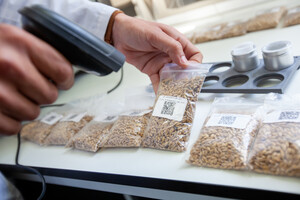
This year also marked important progress in our digital transformation agenda, particularly through ICARDA's Seed Request Application, which was launched at the end of 2024 and is now fully operational, and the Focused Identification of Germplasm Strategy (FIGS) online application, which allows researchers and partners to query ICARDA's genetic resources database, analyze data, explore interactive maps, and identify the germplasm that best meets their needs. We also contributed to the development of Bioflow, CGIAR's open-source breeding analytics pipeline under the Crops to End Hunger initiative.
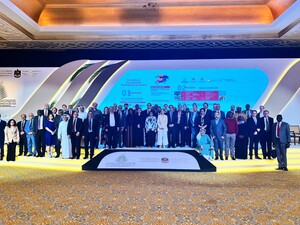
Another defining achievement of 2025 was the launch of the International Consortium for Red Palm Weevil Control (C4RPWC), co-funded by the UAE’s International Affairs Office at the Presidential Court, and the Gates Foundation. This consortium brings together governments, research institutions, and global organizations to combat a pest that poses enormous economic, ecological and cultural risks to date palms and other palm species across the region. Our partnerships also expanded through a new project with Japan to strengthen food security and sustainable cropping systems in Egypt. ICARDA also hosted one of the regional nodes of the Global Methane Hub and advanced the Low-Methane Forages project with ILRI and the Alliance of Bioversity and CIAT, supported by the Bezos Foundation and Gates Foundation, using our labs in Lebanon and the new in vivo facility in Morocco, where early results already show promising low-methane barley relatives. In addition, our alliances with King Abdullah University of Science and Technology (KAUST) and University Mohammed VI Polytechnic (UM6P) deepened, opening new avenues for work on wheat rust screening, digital and climate-smart agriculture, biotechnology, and genome sequencing, including within the C4RPWC.
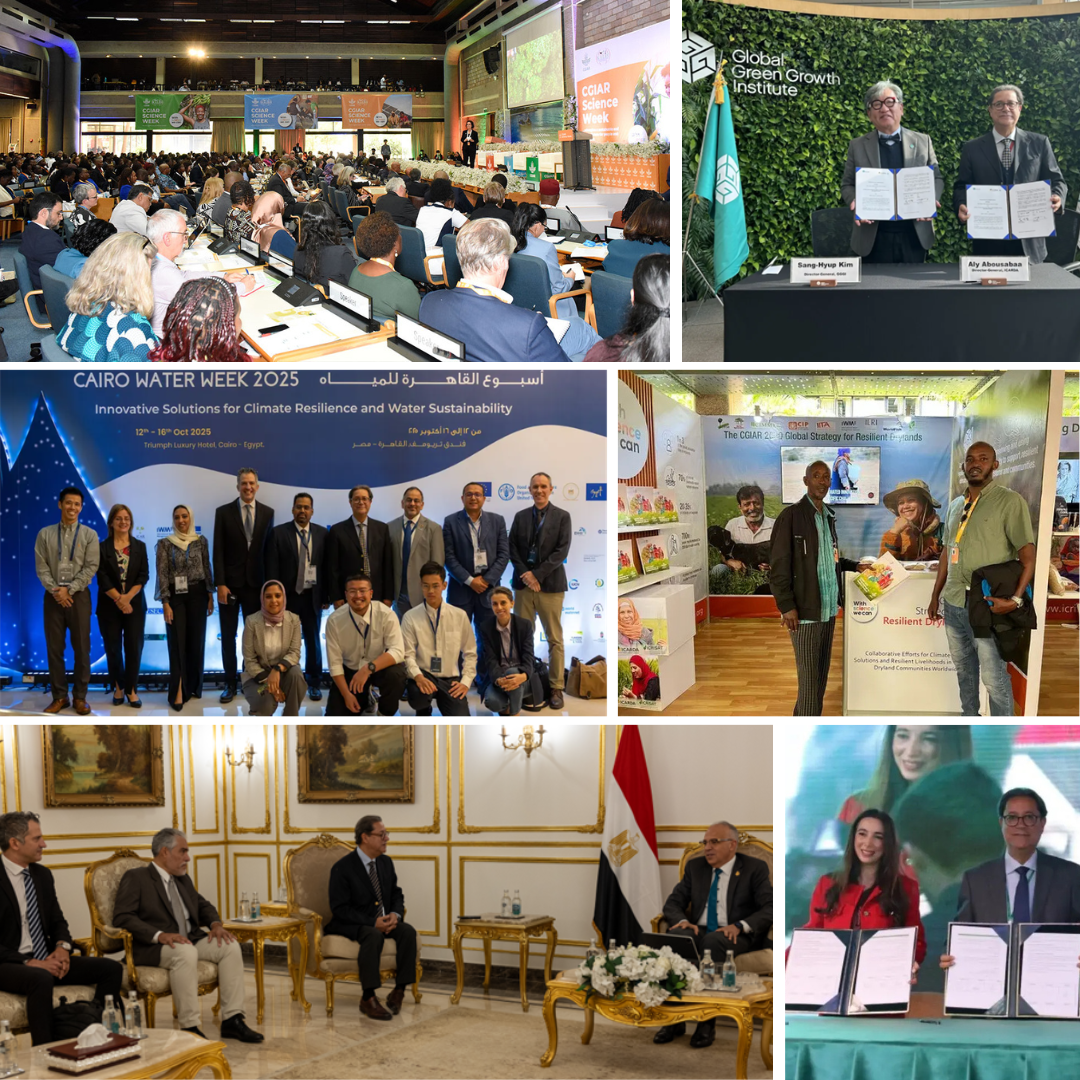
ICARDA's leadership was also visible on the global stage. At CGIAR Science Week in Nairobi, ICARDA showcased its Integrated Desert Farming program, the Global Strategy for Resilient Drylands with ICRISAT, and contributed to high-level dialogues on climate action, digital transformation, and capacity sharing. We signed an MoU with the Global Green Growth Institute in Seoul, co-organized the 7th Pan-African Conference on Agricultural Engineering, presented innovations at Cairo Water Week, and advanced oasis and desert agriculture initiatives in Morocco.
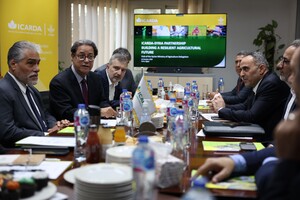
Our mission to support fragile and conflict-affected areas remained a priority throughout the year. In Palestine, we prepared coordinated frameworks for agricultural rehabilitation when conditions permit. In Lebanon, we advanced plans focused on climate-smart crops, diversification, and the use of treated wastewater. For Syria, we developed a forward-looking agricultural rehabilitation strategy, which was a critical step toward recovery and stabilization. In Sudan, we supported efforts to rebuild the country's wheat sector by helping partners re-establish seed systems, restore production capacity, and prepare for future recovery despite the ongoing conflict.
ICARDA continued to translate its research into real-world impact. This included wheat yield gap research across 24 CWANA countries, with field trials in Morocco, Egypt, and Uzbekistan, demonstrating how resilient varieties, improved irrigation, and good agronomic practices can boost productivity.
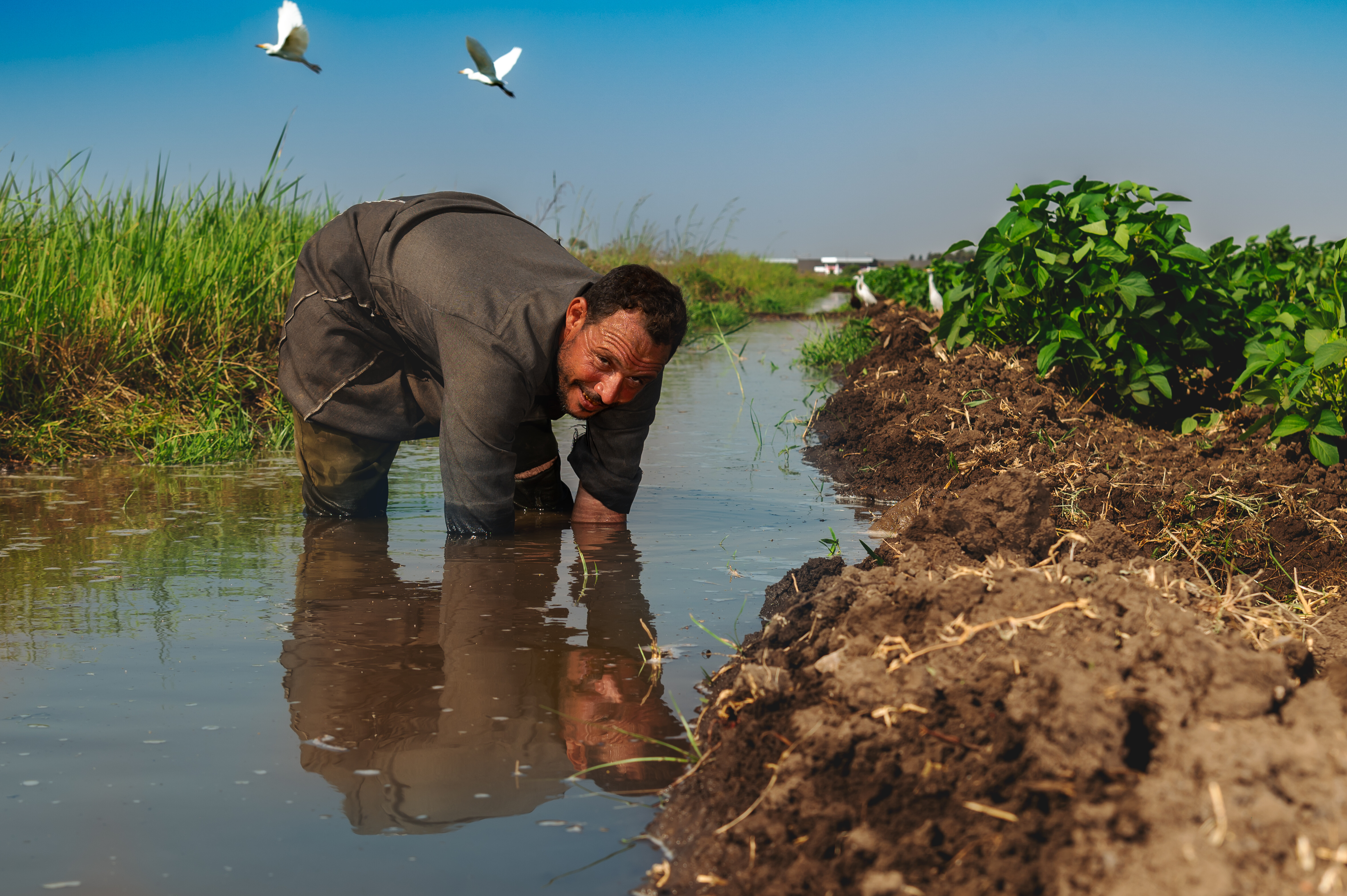
We also advanced innovative water solutions in Egypt, flood and erosion preparedness in Central Asia and the Caucasus, integrated desert farming systems in the Arabian Peninsula, climate change adaptation in Jordan, climate-smart pulses in India, and carob vegetation propagation and scaling Rhizobial Inoculation for leguminous forage crops in Tunisia. Even beyond our regional mandate, we advanced wheat innovations across the value chains in other African countries, including Senegal and Zimbabwe.
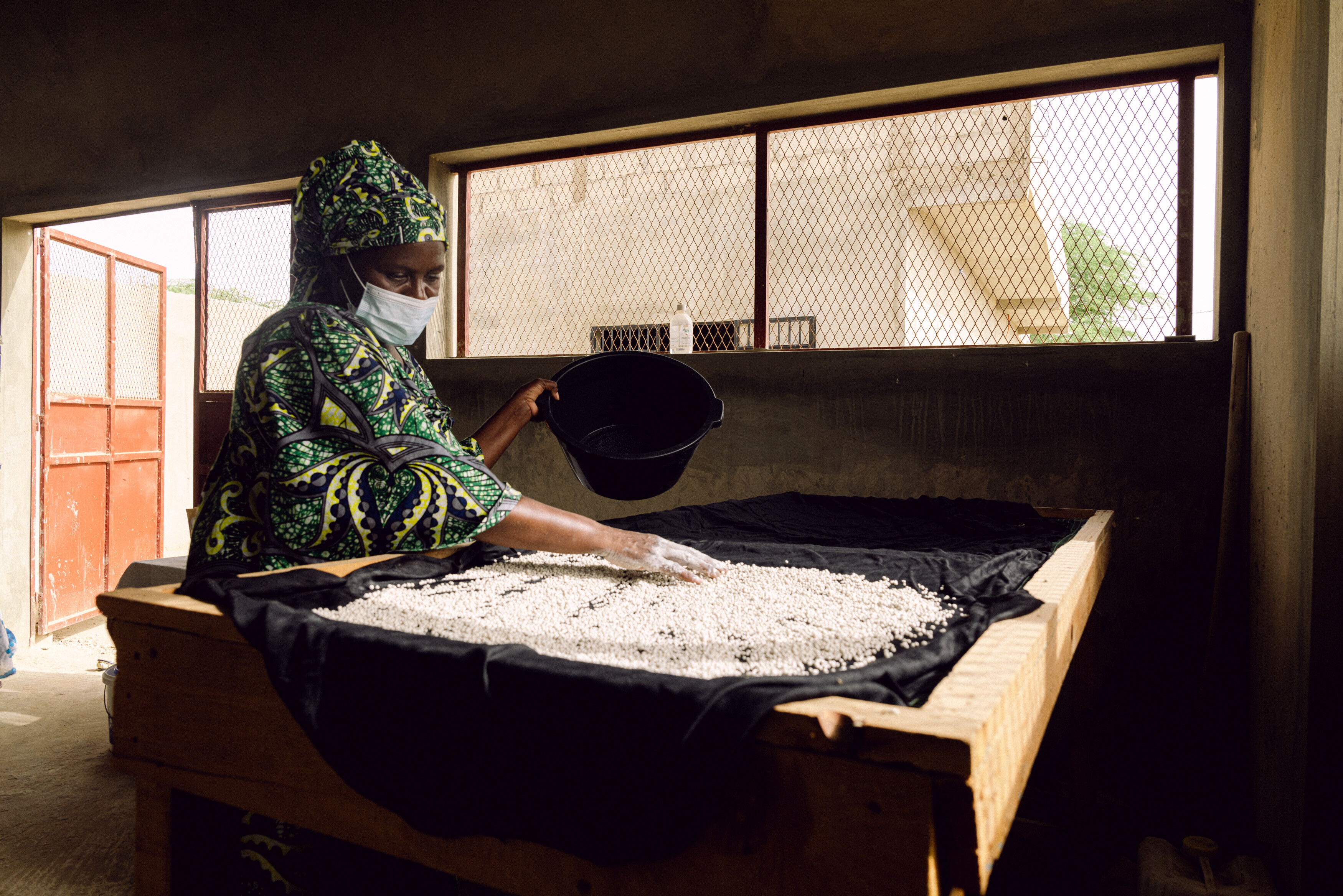
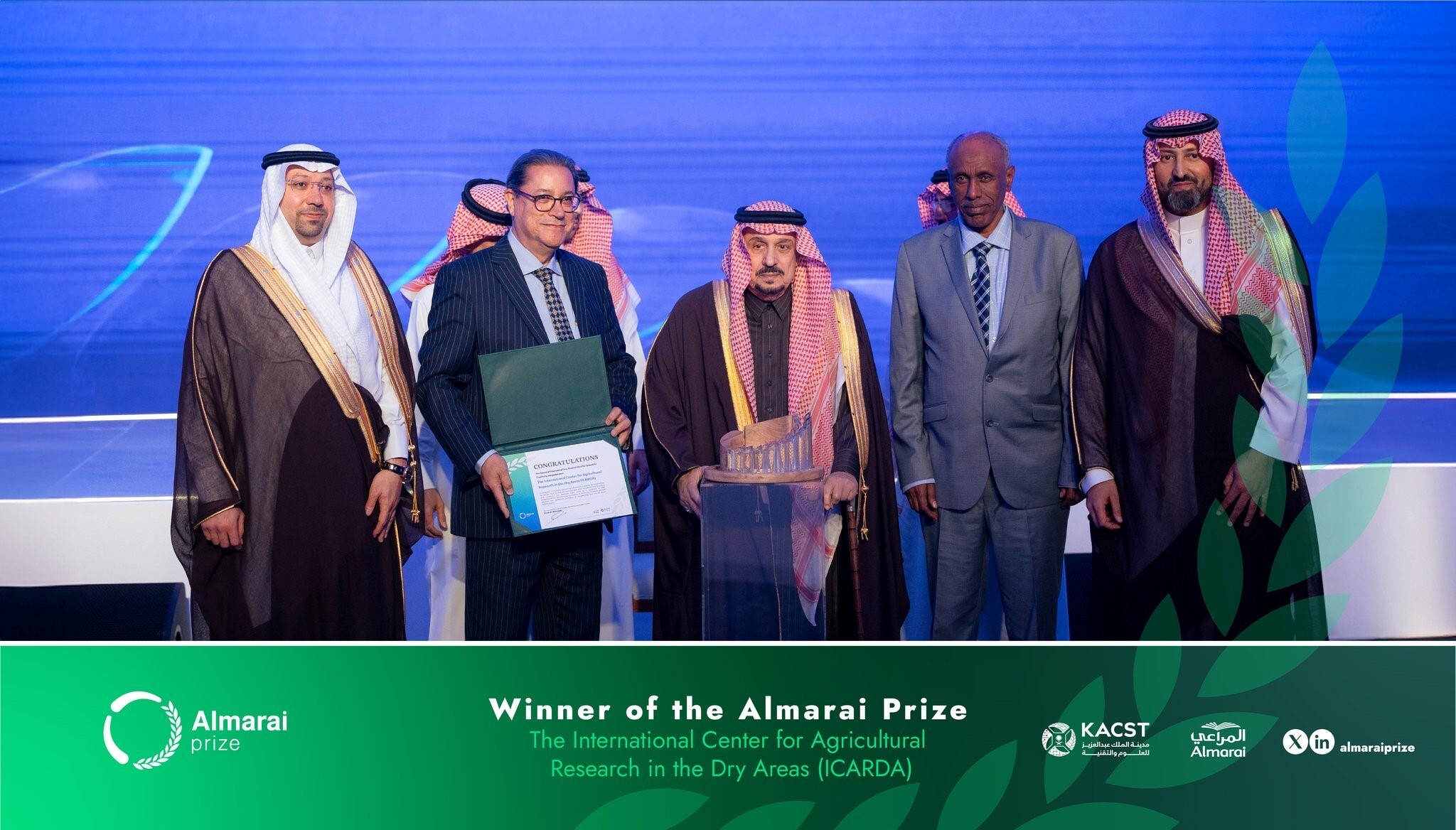
Notably, ICARDA's Enhancing Food Security in Arab Countries (EFSAC) Project, which boosted wheat productivity, promoted improved varieties, and strengthened sustainable farming across ten Arab countries, was awarded the Almarai Prize in 2025.
As we look ahead to 2026, we do so with determination. Our fifty-year milestone is not only a celebration of the past but also a call to action for the future. We will continue to refine our research, scale our innovations, strengthen our partnerships, invest in our people, and deepen our impact across the drylands. Our commitment to science, resilience, and community remains as steadfast as it has been since ICARDA's founding.
To all staff, past and present, I extend my deepest gratitude. You are the custodians of a legacy that has been fifty years in the making. To our partners, donors, the Board of Trustees, and CGIAR colleagues, thank you for your trust and continued collaboration. Together, we will carry this legacy forward by delivering the science that dryland communities need and deserve.
I wish you all a peaceful end to the year and renewed strength for the one ahead.
Aly Abousabaa
Director General, ICARDA