The Consortium for Red Palm Weevil Control Springs into Action Across Five Countries

For palm growers in the UAE, farmers in Egypt, and municipal planners in Morocco, the Red Palm Weevil (RPW) is a threat to culture and livelihoods. C4RPWC researchers have started taking coordinated steps to detect, contain, and control this destructive pest.
Since it's launch across the United Arab Emirates (UAE), Egypt, and Morocco, the Consortium for Red Palm Weevil Control (C4RPWC), led by ICARDA in partnership with the UAE Presidential Court and the Gates Foundation, has set up field hubs, recruited scientists, aligned partners, and begun preparing experimental trials.
"With fieldwork now underway across the UAE, Egypt, Kenya, India, and Morocco, we thank our donors, partners, and local communities for their support. Together, we are turning research into real action to protect palms and the people who rely on them." – Dr. Mojeeb Stanikzai, C4RPWC Program Manager, ICARDA.
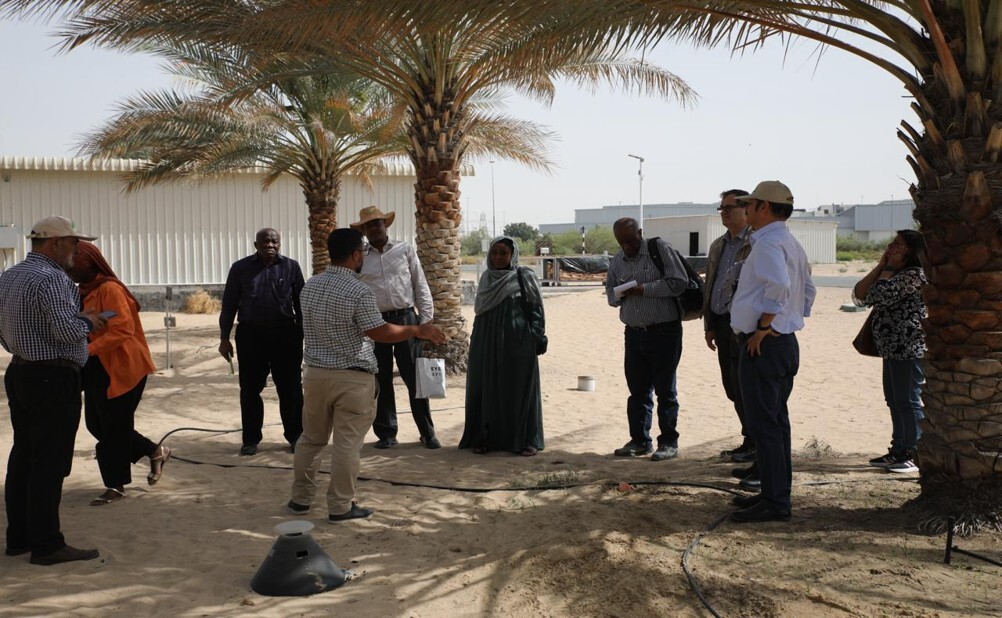
In the UAE, Al Hamraniyah Research Center has been designated as the national hub for RPW research and field trials. Thirty-six sites across seven emirates are now being prepared to test combinations of different btechnology bundlers (traps, sensors, and innovative treatments). ICARDA's C4RPWC researchers conducted joint field visits with the Ministry of Climate Change and Environment (MOCCAE) to confirm site readiness, and pilots of Aretor endotherapy, a Syngenta biorational pesticide product containing emamectin benzoate that is injected into the trunks of the palms as preventive and curative treatment, are being prepared with strict residue and safety checks. The program is also collaborating with the Mohammed Bin Rashid Space Centre on remote sensing and preparing to deploy Internet of Things (IoT) acoustic sensors to detect infestations early.
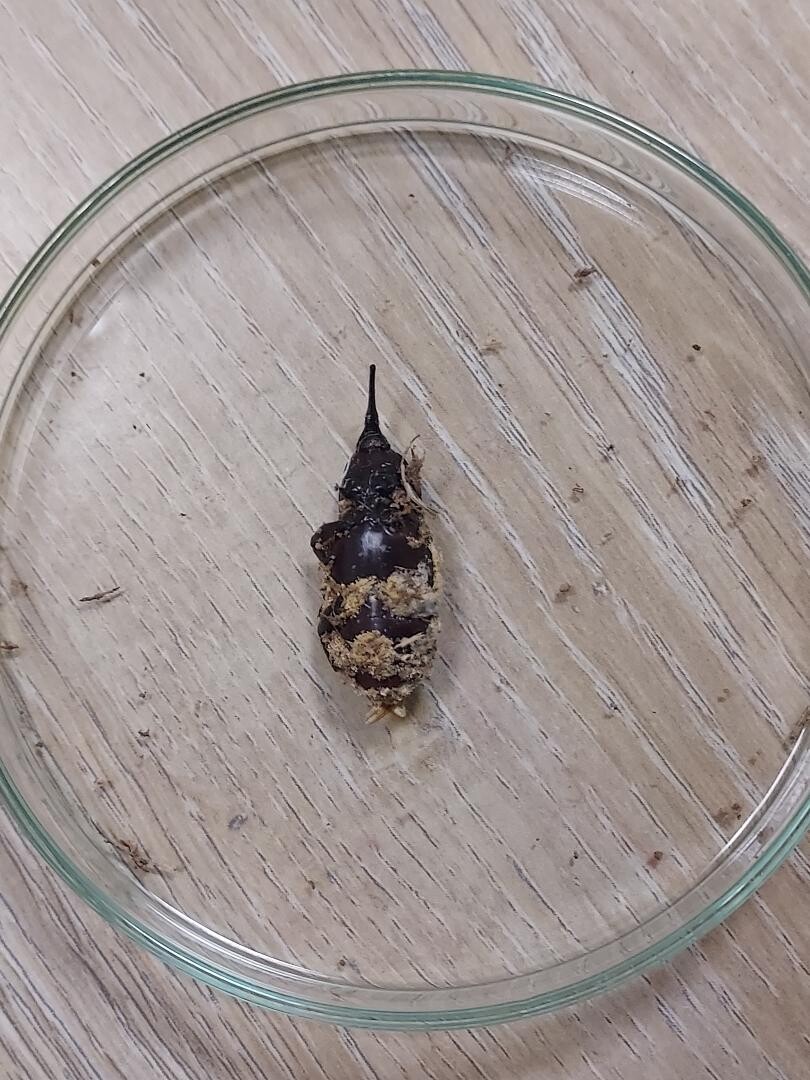
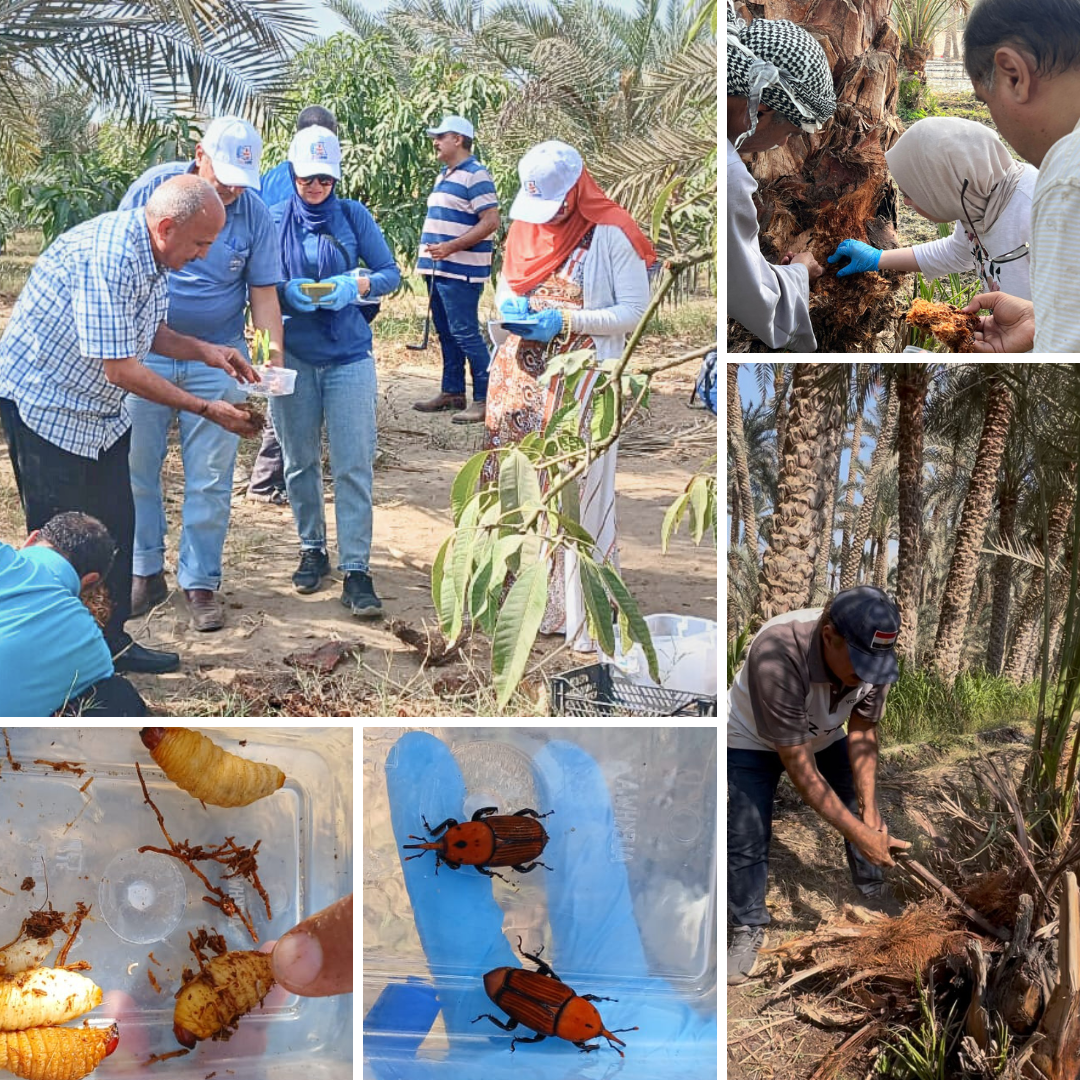
In Egypt, ICARDA's C4RPWC researchers have coordinated with the national Agricultural Research Center (ARC), Desert Research Center (DRC), and Cairo University to target regions where intervention is most urgent. Five governorates have been selected for mixed-farm trials, combining experimental plots with real-world farming practices where farmers are active partners, helping shape the trials to ensure solutions are practical and trusted. On the scientific front, large-scale microbiome sampling of RPW has been launched to understand the bacteria and fungi associated with the pest. Newly recruited analysis teams are working to turn this data into actionable strategies.
In Morocco, the Institut National de la Recherche Agronomique (INRA) is leading efforts to keep RPW out of urban northern zones, focusing on the Phoenix canariensis, an ornamental palm. Engagement with L'Office National de Sécurité Sanitaire des produits Alimentaires (ONSSA) is ensuring regulatory alignment, stakeholder mapping, training-of-trainers, and urban sensor pilots. By establishing early-warning and surveillance systems, Morocco is positioning itself as a model for proactive RPW management, showing how prevention can protect both urban landscapes and livelihoods before the pest arrives.
In parallel, groundwork is being laid in East Africa and South Asia. In Kenya, preparatory surveys are being conducted to map the presence of RPW, host plants, and natural enemies, supporting early containment efforts across the Horn of Africa, including Somalia and Djibouti. Meanwhile, in India, C4RPWC partners convened at ICRISAT headquarters to launch the Digital Innovations workstream, bringing together leading scientists to advance early-warning systems, AI-enabled detection, and scalable digital tools for RPW surveillance.
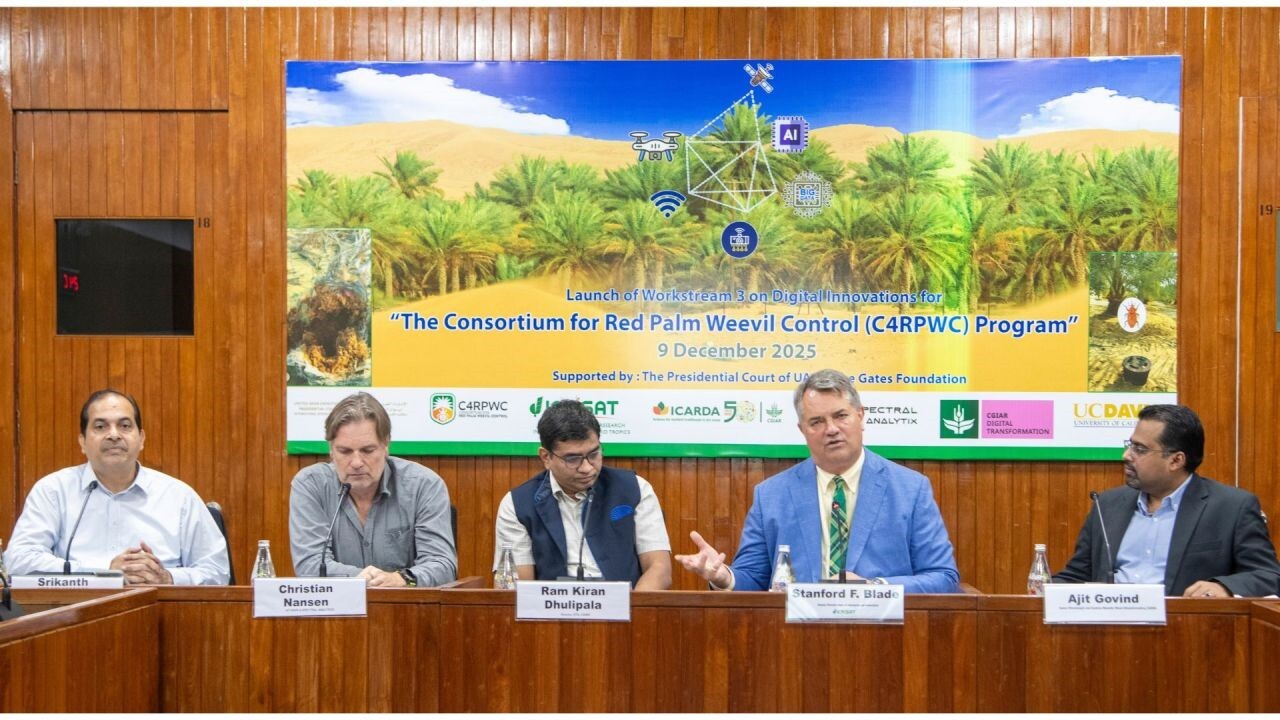
C4RPWC aims not just to contain a pest, but to demonstrate how science, technology, and collaboration can protect ecosystems and livelihoods.
C4RPWC is supported by the UAE Presidential Court’s International Affairs Office and the Gates Foundation.