Strengthening Genebanks Through Regional Collaboration in CWANA
Strengthening Genebanks Through Regional Collaboration in CWANA
Start Date
December 09, 2025
End Date
December 11, 2025
Type
Meeting
Location
Istanbul, Turkiye
Share
CWANA Genebanks Managers Meeting in Istanbul, Turkiye.
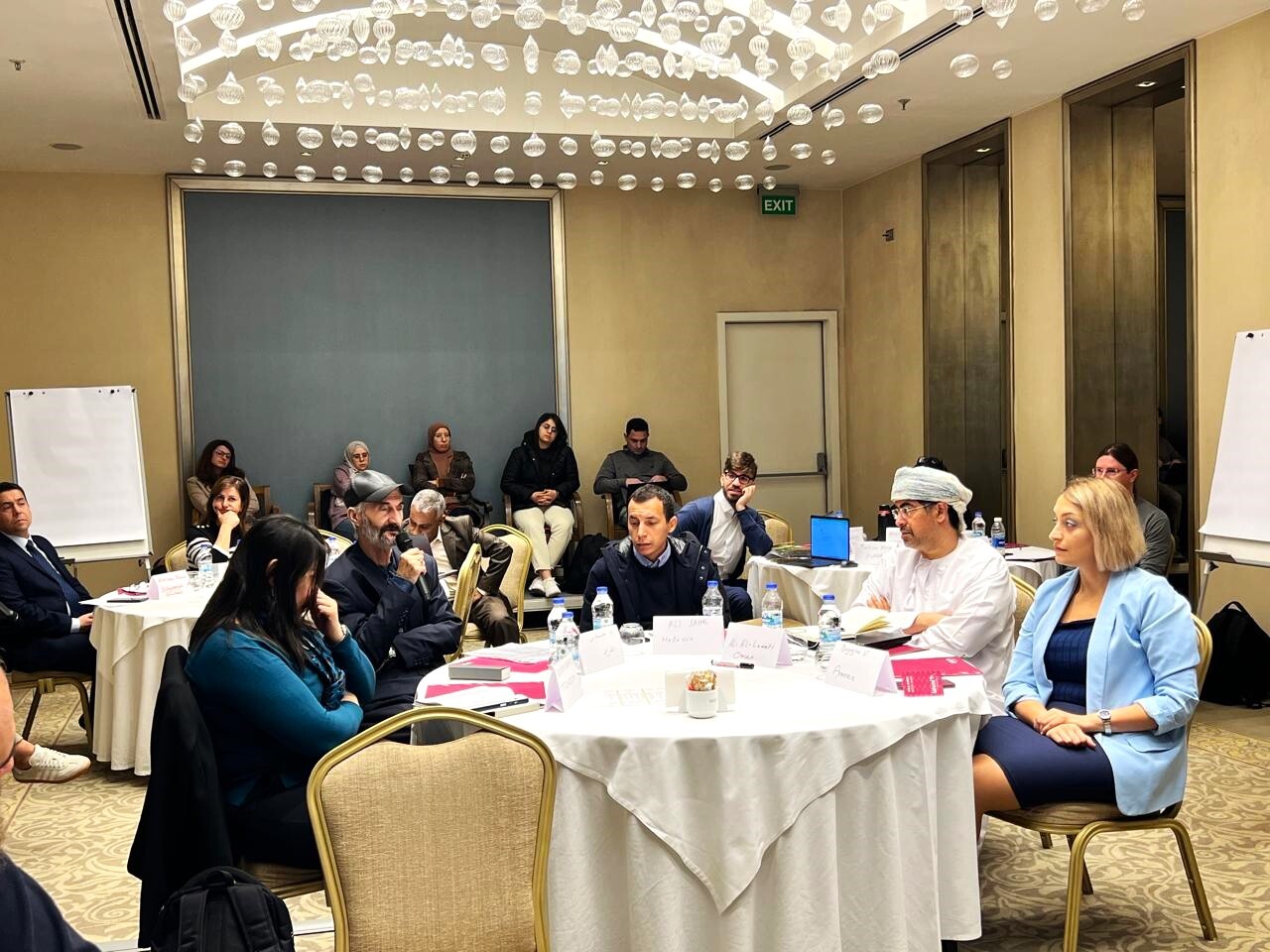
9 – 11 December 2025 | Istanbul, Turkiye - Safeguarding plant genetic resources is fundamental to food security, climate resilience, and sustainable development across the Central and West Asia and North Africa (CWANA) region. To advance this mission, ICARDA convened genebank managers and partners from across the region for a multi-day regional workshop focused on collaboration, capacity strengthening, and long-term sustainability of genebanks.
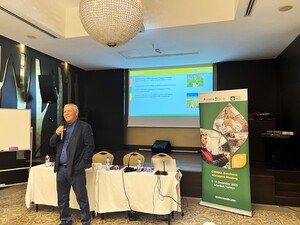
The workshop opened with welcoming remarks from Dr. Mesut Keser, ICARDA Country Coordinator – Turkiye, who underscored the critical role genebanks play in transforming conserved diversity into practical solutions for food security.
"This meeting brings together the people who safeguard our genetic resources and turn them into solutions for food security. Through collaboration, our collective impact will be far greater in addressing climate change and water scarcity in the years ahead.”
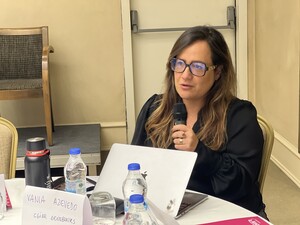
Opening remarks were also delivered by Dr. Vania Azevedo, Director of the CGIAR Genebank Accelerator, who emphasized the value of communities of practice and regional alignment.
“Communities of practice allow countries to learn from each other, strengthen genebank operations, and address shared challenges together. Bringing CWANA partners together creates long-term collaboration that supports the conservation and sustainable use of plant genetic resources.”
Sharing National Experiences and Common Challenges
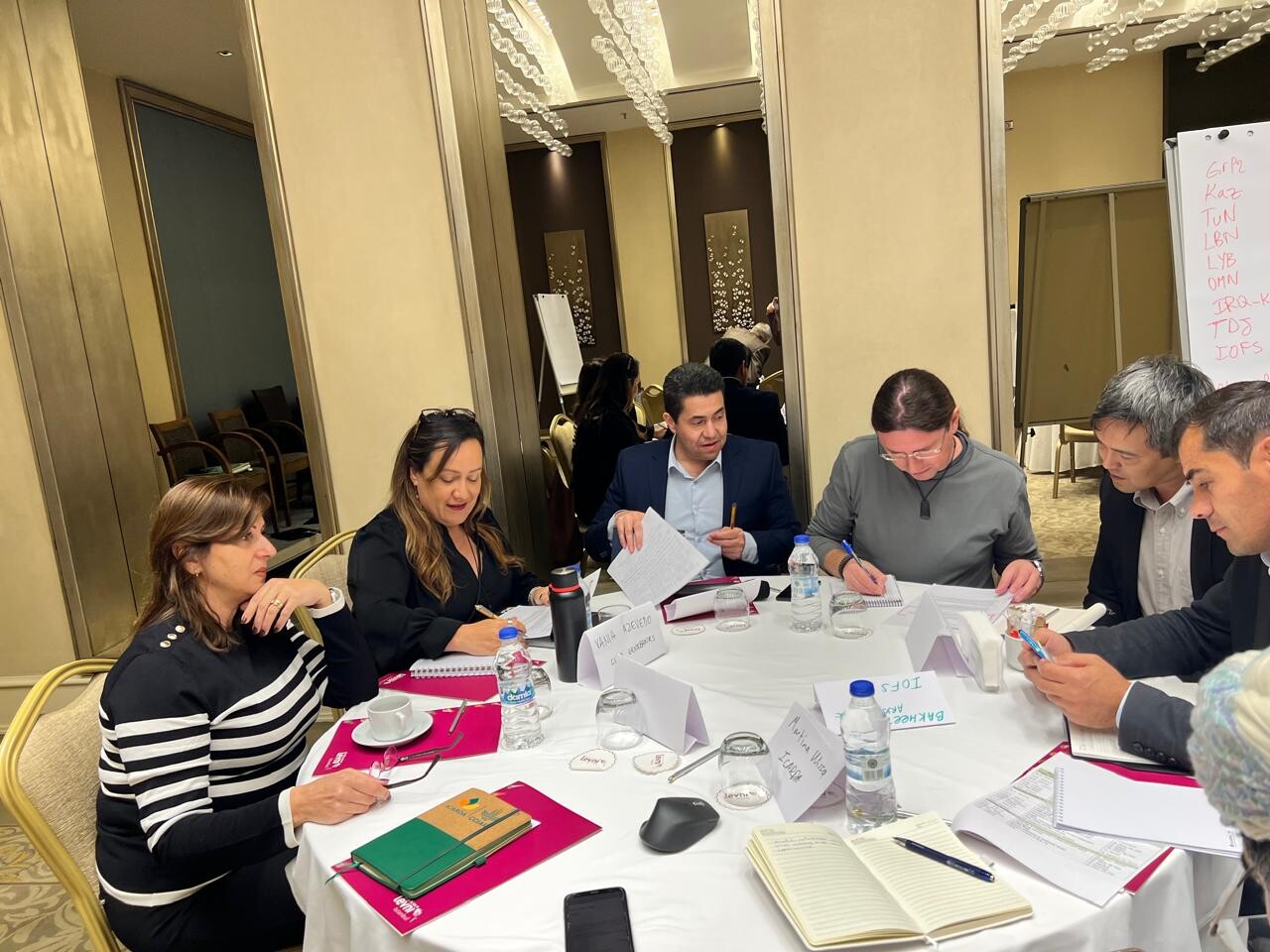
Participants represented a wide range of national genebanks and institutions across the CWANA region, including Armenia, Kazakhstan, Lebanon, Morocco, Oman, Kyrgyzstan, Uzbekistan, the Kurdistan Region, Jordan, Libya, Tunisia, Turkiye, and the United Arab Emirates, alongside the Islamic Organization for Food Security (IOFS).
Each country representative presented an overview of their genebank systems, highlighting unique accessions, national priorities, institutional partnerships, and key operational challenges. These presentations revealed both the diversity of collections across the region and the shared constraints facing genebanks, including funding limitations, technical capacity needs, and long-term sustainability concerns. Throughout the discussions, participants stressed the importance of positioning genebanks as national priorities and essential pillars of food security.
Aligning with ICARDA’s Genebank Strategy 2030
On the second day, discussions turned to specialized aspects of genebank operations, introduced through a presentation by Dr. Athanasios Tsivelikas, ICARDA Genebank Manager and Senior Scientist, on areas requiring high levels of technical expertise. This was followed by a presentation from Dr. Zakaria Kehel, ICARDA Research Team Leader - Genetic Resources, Conservation, Characterization, and Use/Country Coordinator - Morocco, who outlined ICARDA’s Genebank Strategy 2030 and its role within broader efforts to strengthen resilient agrifood systems.
“ICARDA’s Genebank Strategy 2030 focuses on conserving genetic diversity while making collections more accessible, informative, and useful. By combining science, digital tools, and capacity development, we aim to strengthen regional collaboration and ensure genebanks deliver real value for research, breeding, and food security.”
Dr. Kehel further emphasized that genebanks must move beyond conservation alone.
“They need to support communities, local landraces, and the environmental, cultural, and livelihood value of crop diversity. Through regional collaboration, shared services, and sustainable funding, we can strengthen genebanks so they deliver long-term impact for food security and development.”
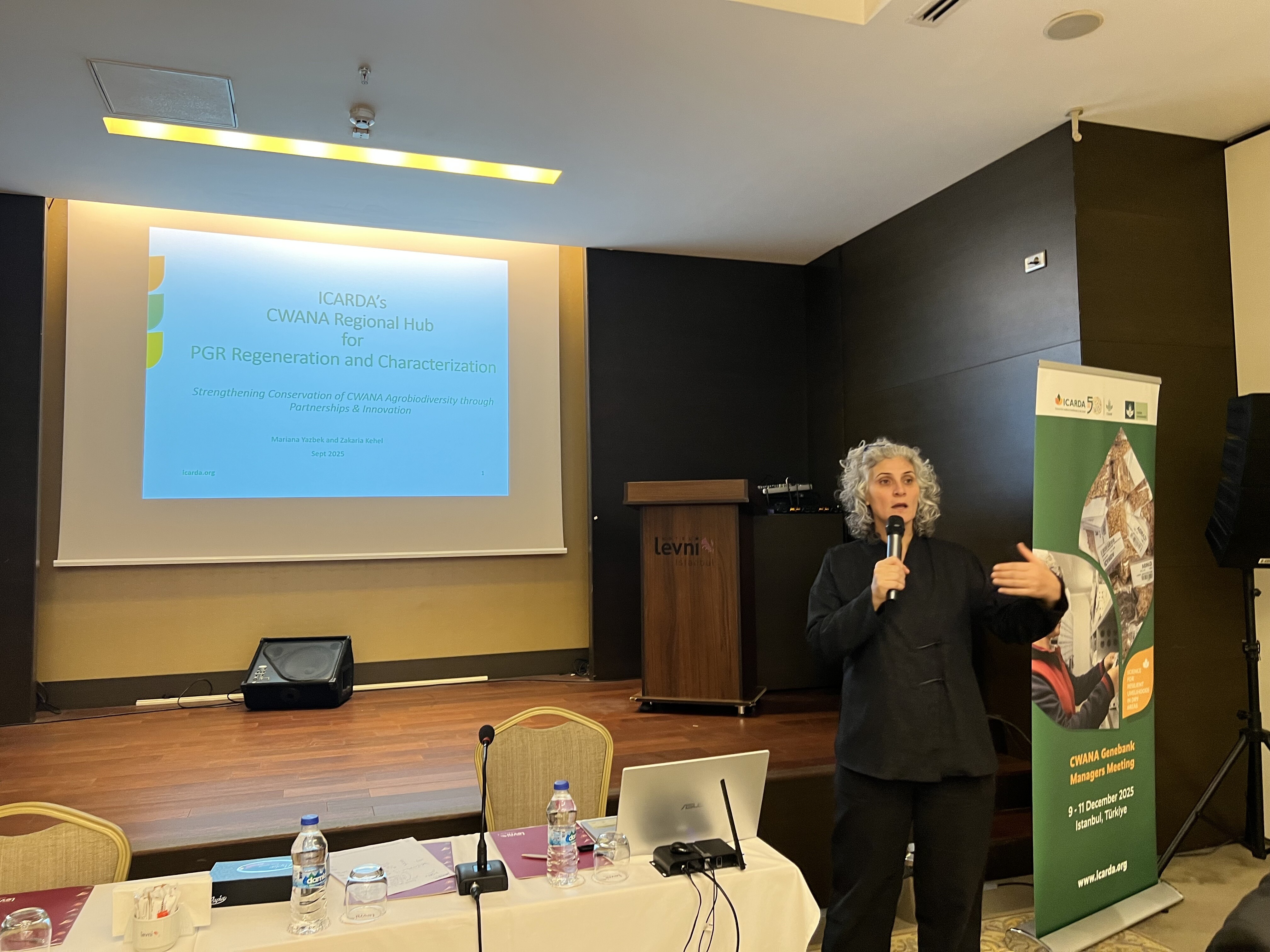
Dr. Mariana Yazbek, ICARDA Genebank Manager and Senior Scientist, then introduced the concept of a regional hub model, inviting partners to collaborate through shared services, materials, and expertise. She highlighted the importance of donor engagement and encouraged regional institutions to endorse and adopt the model as a pathway to stronger, more connected genebank systems.
Communication, Coordination, and Sustainable Funding
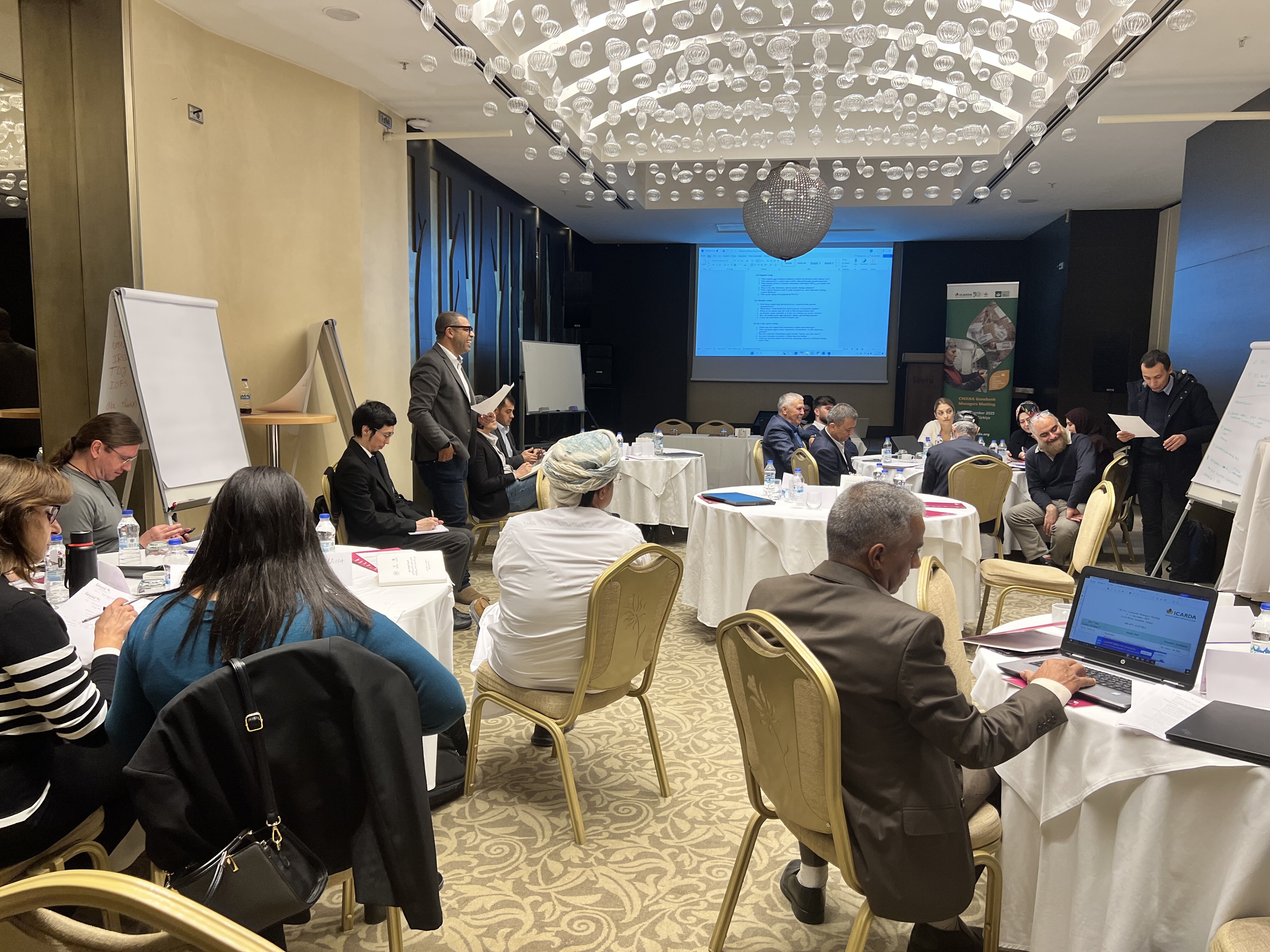
The third day focused on practical next steps, including preferred communication approaches to strengthen coordination and maintain momentum beyond the meeting. Importantly, discussions moved beyond ideas to concrete decisions, reinforcing the value of an emerging community of practice among CWANA genebank managers.
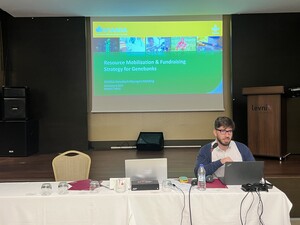
The workshop concluded with an interactive session on fundraising and financial sustainability for genebanks. Participants discussed why genebank funding is often difficult to secure, the importance of visibility, and the need to link genetic resources to broader global agendas such as climate action, nutrition, and livelihoods.
Isbandiyar Valiyev, ICARDA Resource Mobilization Officer, highlighted the role of communication in sustaining genebanks over the long term.
“To sustainably fund genebanks, we need to connect genetic resources to people’s lives. By linking crop diversity to culture, nutrition, climate action, and local identity, and by using tools like storytelling and social media, we can make genebanks visible, relatable, and relevant to donors, partners, and the next generation.”
By combining ICARDA’s international expertise with national knowledge and local presence, participants reaffirmed that safeguarding plant genetic resources is both possible and essential. The workshop marked an important step toward stronger regional collaboration, ensuring that genebanks across CWANA are not only conserved but also actively contributing to resilient food systems, climate adaptation, and sustainable development.