Pastoral Mobility, Land, and Water Security

In drylands, rainfall is often unpredictable; water sources expand and contract, and pastures regenerate in one place while declining in another. Yet the policies governing land and water often assume consistency, relying on fixed boundaries and static land-use systems that rarely reflect how dryland landscapes actually function.
For centuries, pastoralists have responded to dryland variability by moving livestock strategically across rangelands in line with seasonal and climatic patterns. Their journeys are guided by generations of ecological knowledge and governed through customary agreements that regulate access to grazing lands and water sources.
As climate variability intensifies across the region, pastoral mobility is becoming increasingly critical, as it allows herders to follow shifting forage and water resources, distribute grazing pressure across landscapes, and reduce localized ecological stress.
In dryland systems, mobility is not merely a livelihood strategy but a mechanism that enables the ecosystem to function. As part of the International Year of Rangelands and Pastoralists (2026), February focuses on “Mobility, Land, and Water Security,” calling for renewed attention to the policies and governance frameworks needed to sustain pastoral mobility across drylands.
Mobility As Ecological Infrastructure
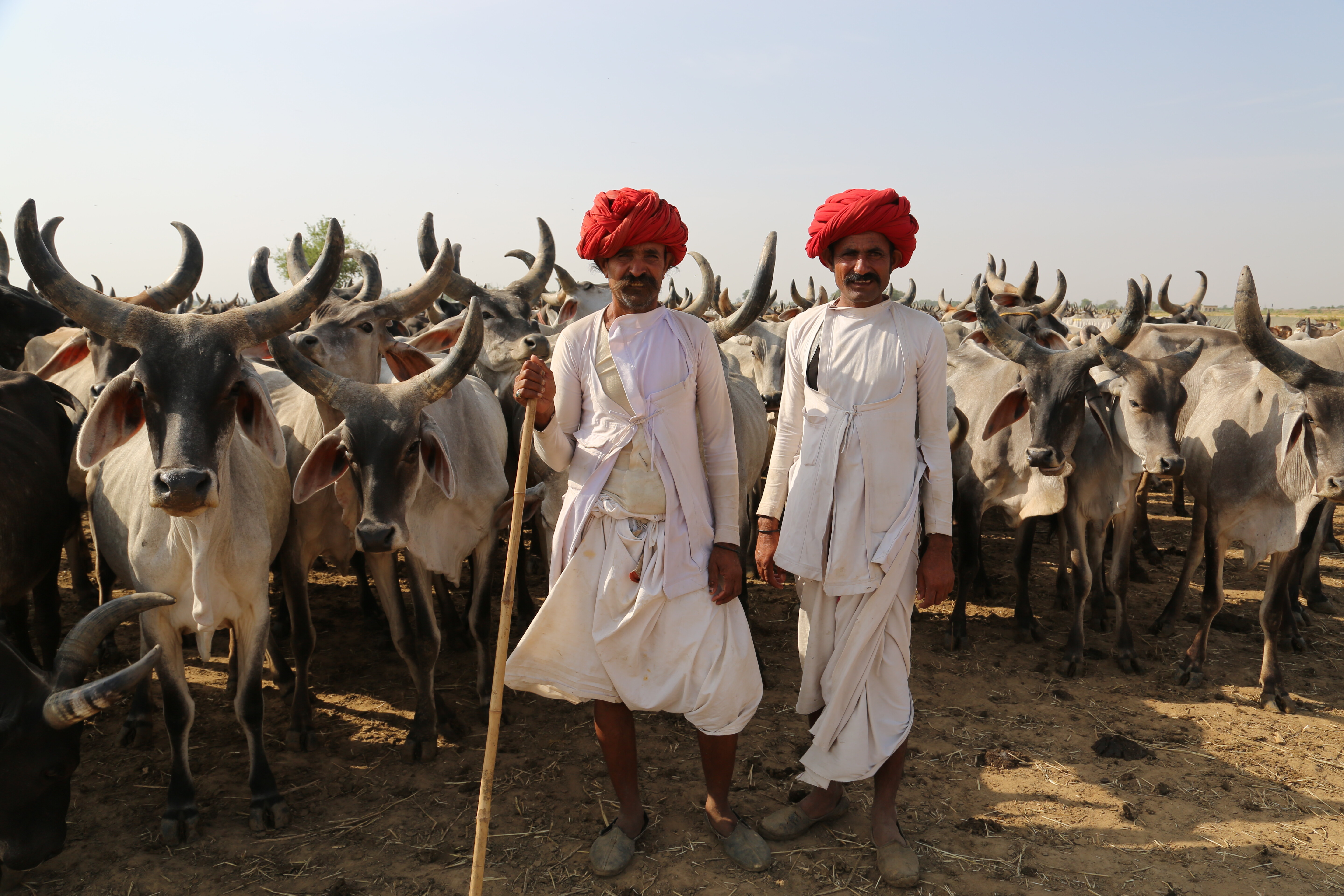
Rangelands cover more than half of the world’s land surface and support hundreds of millions of people. Their productivity depends on variability and carefully managed grazing patterns.
Research across dryland regions shows that when livestock mobility is maintained, grazing pressure is distributed rather than concentrated, and vegetation has time to recover between grazing cycles. In addition, soil structure improves, and compaction decreases; water infiltration rates increase, and the overall ecosystem resilience is strengthened.
Mobility allows rangelands to function as dynamic systems. By contrast, restricted movement often concentrates livestock around fixed water points, leading to localized overgrazing, soil degradation, and declining vegetation recovery.
Evidence consistently shows that mobile pastoralism can produce two to ten times as much meat per unit of land as sedentary livestock systems in comparable arid environments. Also, livestock mobility is increasingly recognized as a nature-based solution for rangeland restoration, enabling landscapes to recover while sustaining livelihoods.
Land Security Requires Flexible Access
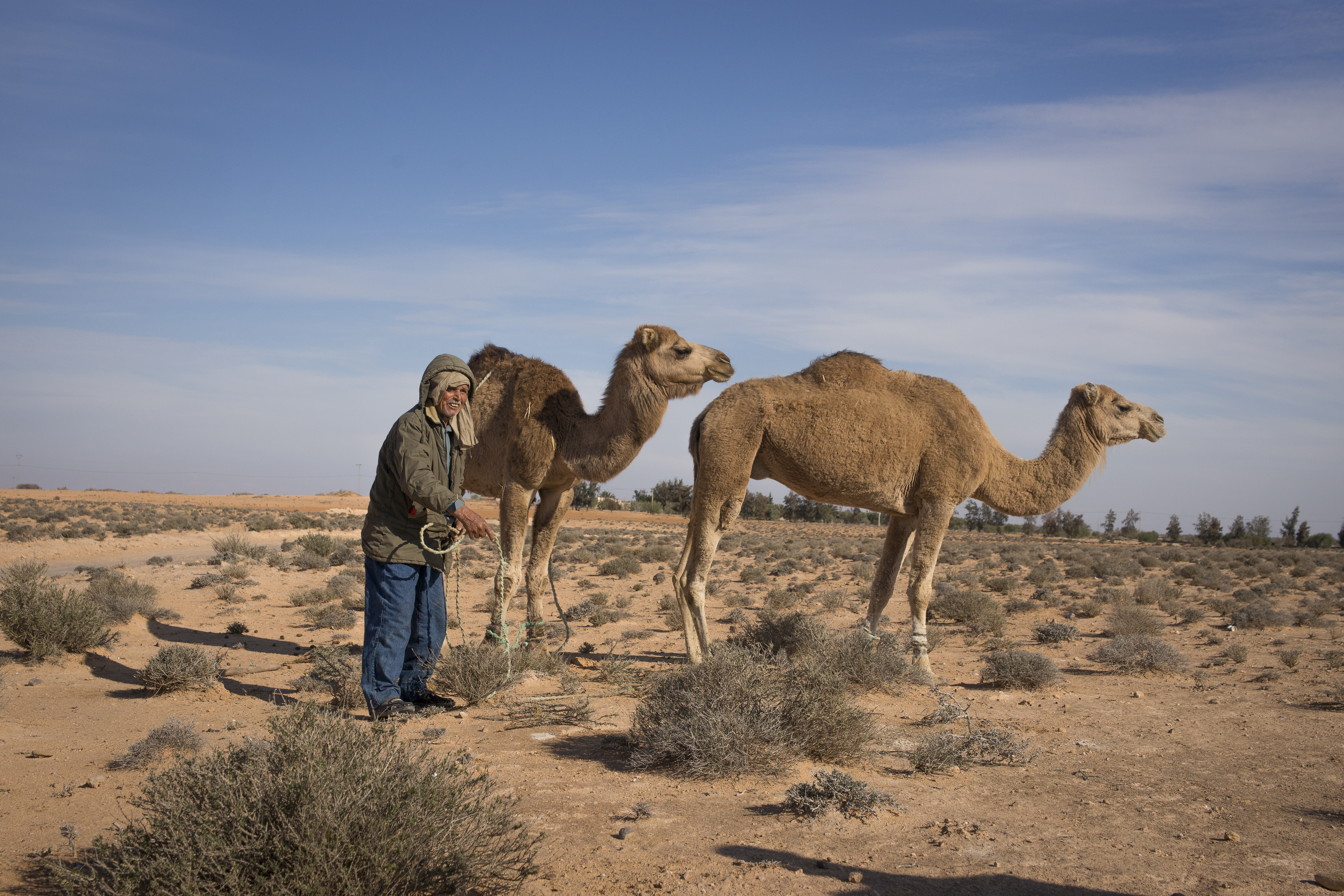
Pastoral mobility depends not only on ecological conditions but also on governance frameworks that recognize seasonal access and collective resource management. Pastoral routes frequently cross:
Community-managed lands
Privately cultivated areas
Administrative boundaries
Conservation zones
International borders
When migration corridors become fragmented or blocked, livestock are forced into smaller areas. Grazing pressure intensifies, competition over water increases, and tensions between land users may escalate. Policies that promote sedentarization or restrict pastoral mobility are often intended to simplify land administration. In dryland ecosystems, however, these approaches can undermine both ecological balance and pastoral livelihoods.
Water Security and Patterns of Access
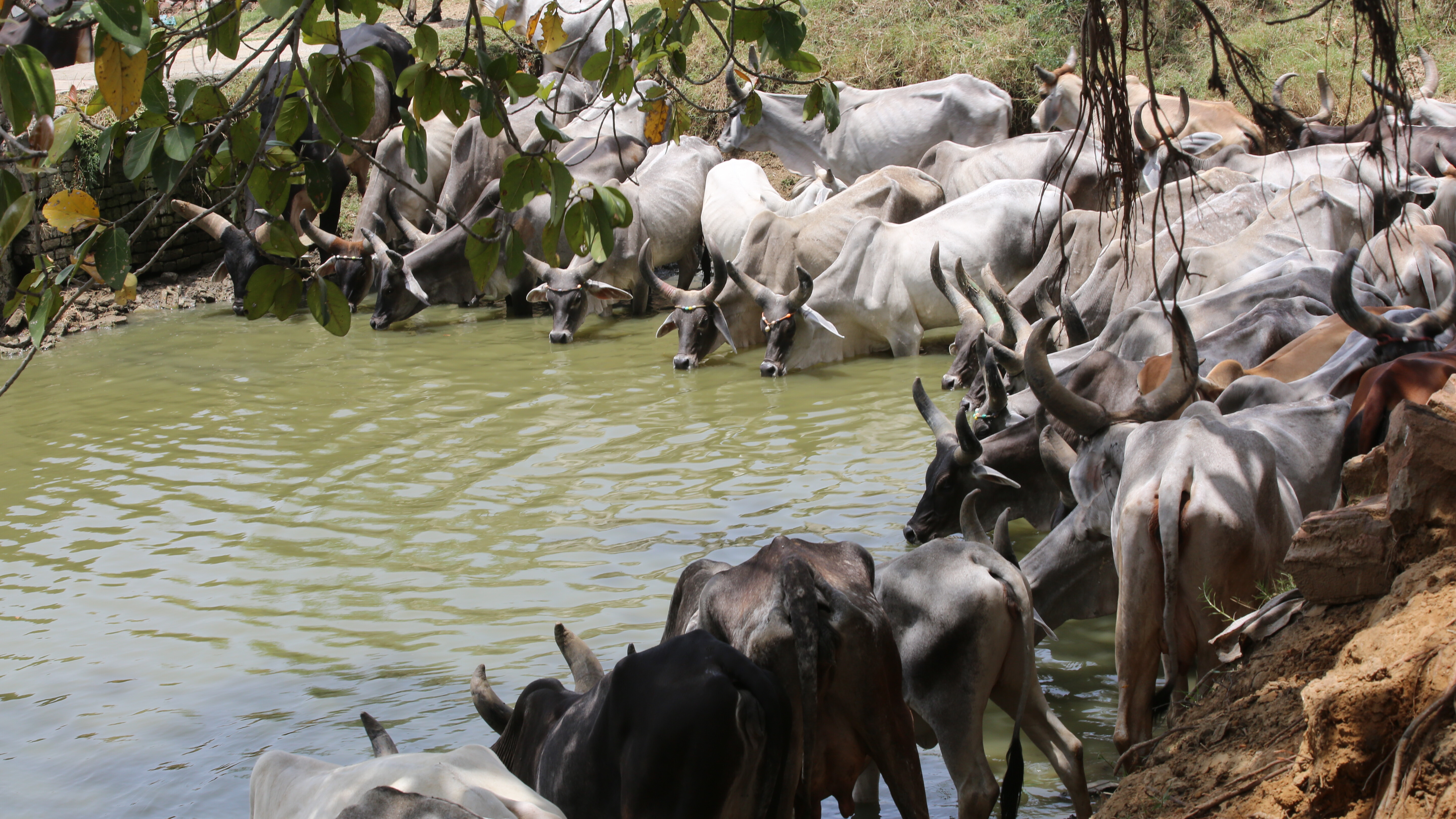
Water governance in drylands is frequently framed as an infrastructure challenge, with policy responses focused on drilling boreholes, constructing reservoirs, and expanding permanent water points. While such investments are undeniably important, infrastructure alone does not guarantee water security.
When livestock mobility is restricted, fixed water points can unintentionally concentrate grazing pressure, accelerating land degradation around these sites. Over time, this leads to soil erosion, reduced vegetation cover, and declining water infiltration. Pastoral mobility changes this dynamic by allowing herds to track spatial and temporal variability in rainfall and forage availability, distributing grazing pressure across larger areas and reducing sustained stress on individual water points. This dynamic use of water resources supports vegetation recovery, limits soil compaction, and enhances the long-term recharge potential of aquifers.
Governance As the Enabling Condition
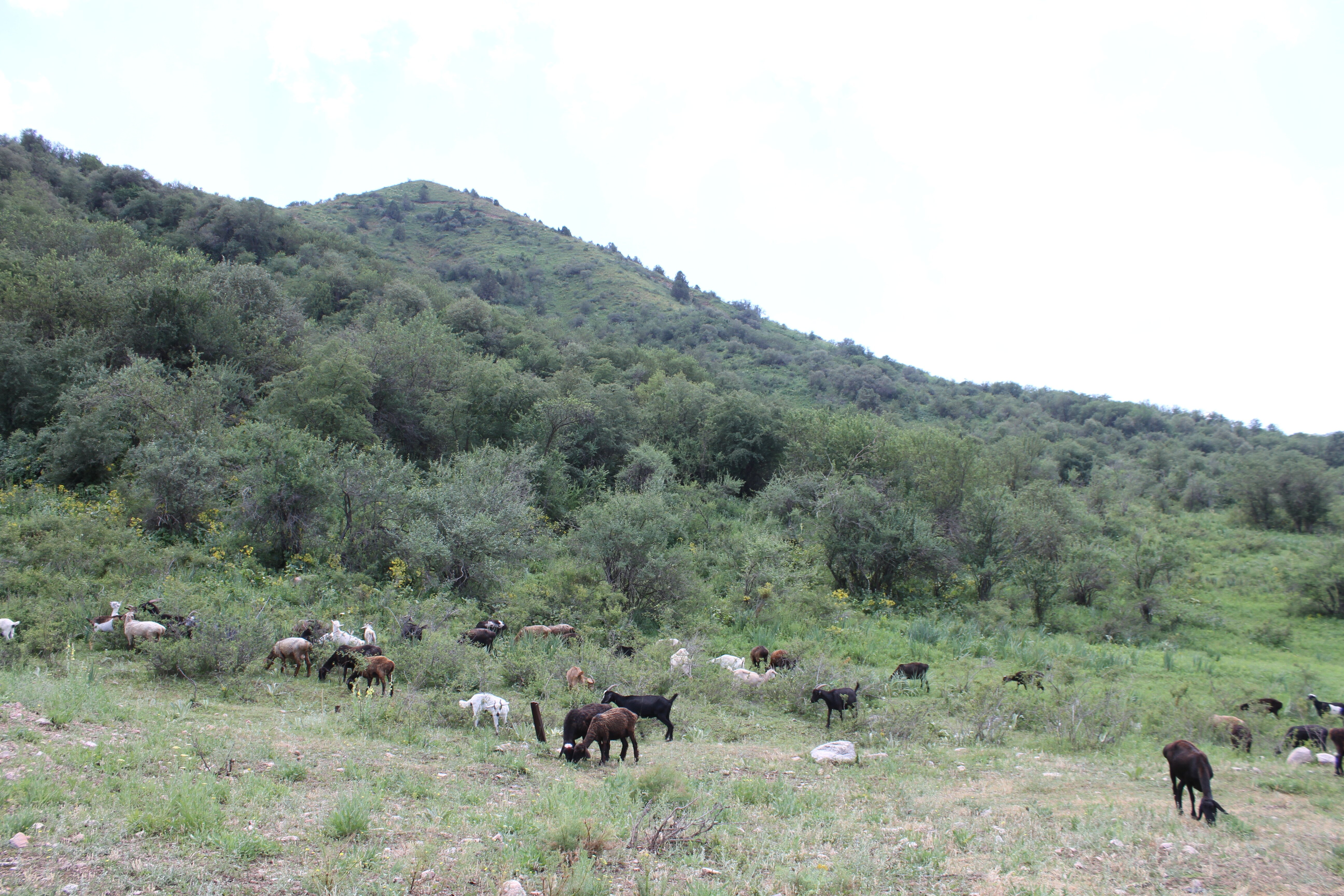
Historically, pastoral communities developed institutions to regulate access, manage migration routes, and resolve disputes. These systems were adaptive and responsive to environmental variability.
Modern governance frameworks, however, often prioritize fixed tenure arrangements and static land-use classifications. Seasonal and collective resource rights are rarely fully integrated into formal policy.
Bridging this gap between ecological reality and governance design is essential for sustaining both pastoral livelihoods and rangeland ecosystems. Doing so requires policy frameworks that actively support pastoral mobility across landscapes. Three priorities are particularly important:
1. Integrating pastoral mobility into development planning: Dryland development strategies should explicitly account for seasonal herd movements and migration routes at local, landscape, and regional scales. Recognizing mobility as a core development asset allows land-use planning, service delivery, and investments to align with the ecological dynamics of rangeland systems.
2. Strengthening governance frameworks that protect mobility: Legal and policy frameworks should formally recognize pastoral mobility, including seasonal and collective access rights, protected seasonal mobility corridors, and negotiated grazing arrangements. Such measures help prevent land fragmentation and ensure continued access to critical grazing and water resources.
3. Investing in infrastructure that supports mobile systems: Strategic investments in protected corridors, well-managed water points, decentralized livestock markets and abattoirs, renewable energy solutions, and expanded mobile connectivity can strengthen pastoral systems. Access to weather forecasts, early-warning systems, and market information further enables adaptive rangeland management in increasingly variable climates.
Monitoring progress requires robust ecological indicators that capture the relationship between mobility, land condition, and water dynamics. Satellite-based vegetation indices such as the Normalized Difference Vegetation Index (NDVI) and the Enhanced Vegetation Index (EVI) can track vegetation cover, seasonal productivity, and dry-season biomass retention across rangelands, while Land Degradation Neutrality (LDN) indicators provide insight into long-term trends in ecosystem health. Field-based measures, including soil stability indicators such as bare soil cover, crusting, and erosion features, as well as topsoil organic carbon levels, help assess soil condition and land productivity.
Additional indicators, such as regeneration rates of perennial grasses and shrubs, soil infiltration rates, runoff coefficients, and spatial degradation patterns around water points, can reveal whether grazing pressure is being distributed across landscapes or concentrated in localized areas. Together, these metrics allow policymakers to evaluate how effectively governance frameworks support mobility and strengthen land and water security in dryland systems.
From Recognition to Integration
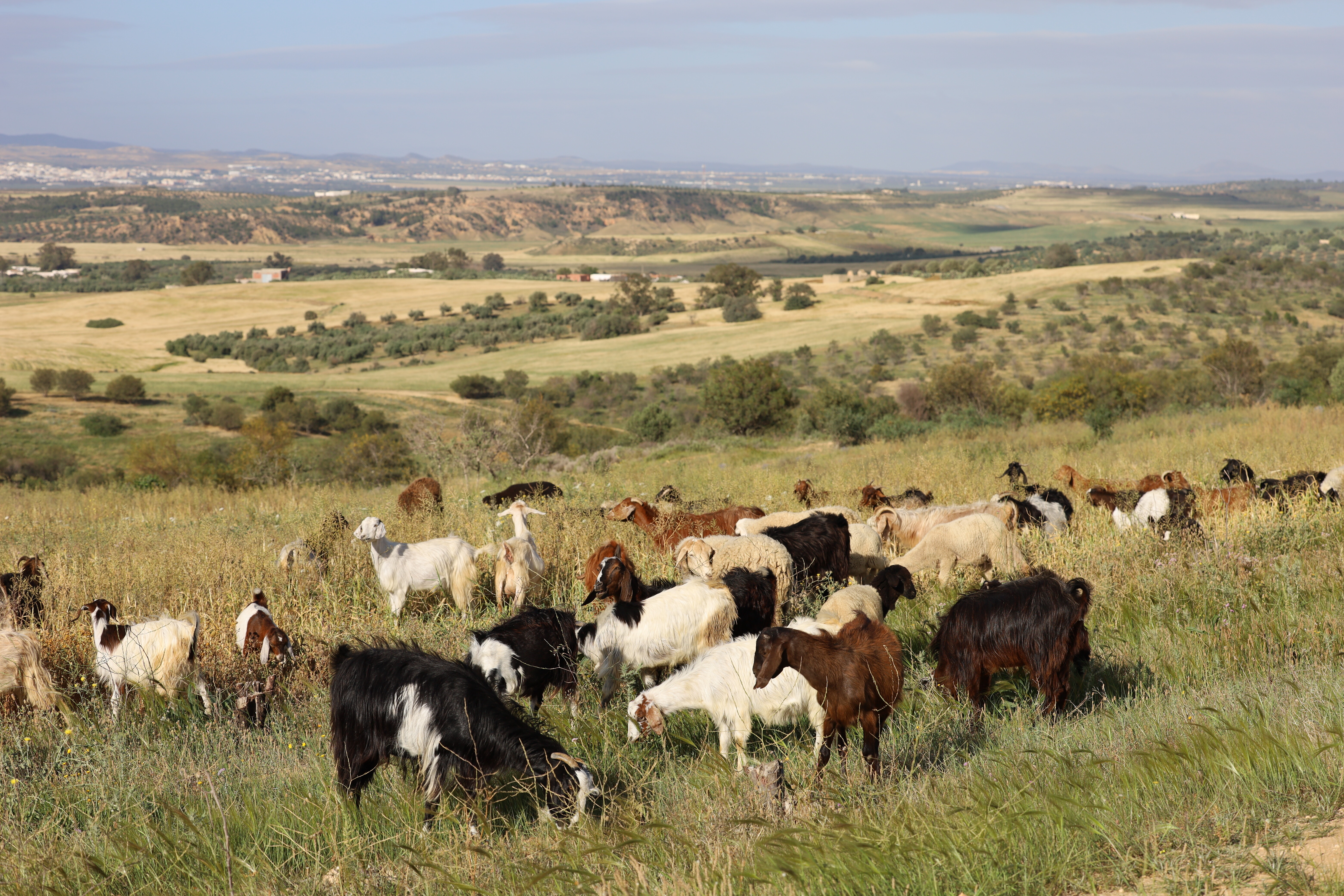
Securing land and water resources in drylands requires governance systems that reflect the variability of the ecosystems they regulate. Recognizing pastoral mobility as governance infrastructure and integrating it into land and water policy is essential to restoring rangelands, strengthening water security, and building resilience across dryland regions.
The scientific evidence is clear. The policy response should follow.
ICARDA’s work on rangelands is supported by CGIAR’s Multifunctional Landscapes Program.
Contributing Scientist:
Dr. Mounir Louhaichi, Research Team Leader of Rangeland Ecology and Forages, ICARDA
Further Reading:
McGahey D, Davies J, Hagelberg N & Ouedraogo R. 2014. Pastoralism and the Green Economy – a natural nexus? IUCN & UNEP, Nairobi. http://iucn.org/wisp
Scoones I. 1995. Living with uncertainty: new directions for pastoral development in Africa. Intermediate Technology Publications, London.
Louhaichi, M. et al., 2024. Global action for sustainable rangelands and pastoralism to achieve Land Degradation Neutrality (LDN): Working paper. New York, United States of America: International Year of Rangelands and Pastoralists. https://hdl.handle.net/20.500.11766/69564
UNCCD. 2024. Global Land Outlook Thematic Report on Rangelands and Pastoralism. United Nations Convention to Combat Desertification, Bonn. https://digitallibrary.un.org/record/4058928?v=pdf
Louhaichi, M. 2025. How Livestock Mobility Can Restore Rangelands and Fight Desertification. ICARDA. https://hdl.handle.net/20.500.11766/70269