Advancing Women’s Economic Rights Through Community Dialogue in Tunisia

International Women’s Day 2026, themed “Rights. Justice. Action. For ALL Women and Girls,” calls for dismantling the structural barriers that prevent women from fully exercising their rights.
Despite progress worldwide, women today hold only 64% of the legal rights afforded to men. Across areas such as landownership, entrepreneurship, mobility, and financial independence, persistent legal gaps, compounded by restrictive social norms, continue to constrain women’s economic participation and agency.
Within the MENA region, Tunisia is often celebrated for its progressive legal framework on women’s rights. Since the landmark 1956 Personal Status Code and the ratification of the Convention on the Elimination of All Forms of Discrimination Against Women (CEDAW 1985), important reforms have strengthened legal protections for women.
However, in rural communities, rights on paper do not always translate into rights in practice. Women may legally own land yet still lack decision-making power. They may be cooperative members yet struggle to access equipment. They may produce food, yet be told they need a man to sell it.
Building on the success of a similar initiative in Morocco, ICARDA, under CGIAR’s Multifunctional Landscapes Program, and in partnership with a theater NGO and the Regional Commissariat for Agricultural Development (CRDA), implemented the ‘Theater of the Oppressed’ program in four regions of Kef Governorate in Tunisia to explore barriers limiting rural women’s economic engagement.
Acting Out Everyday Barriers
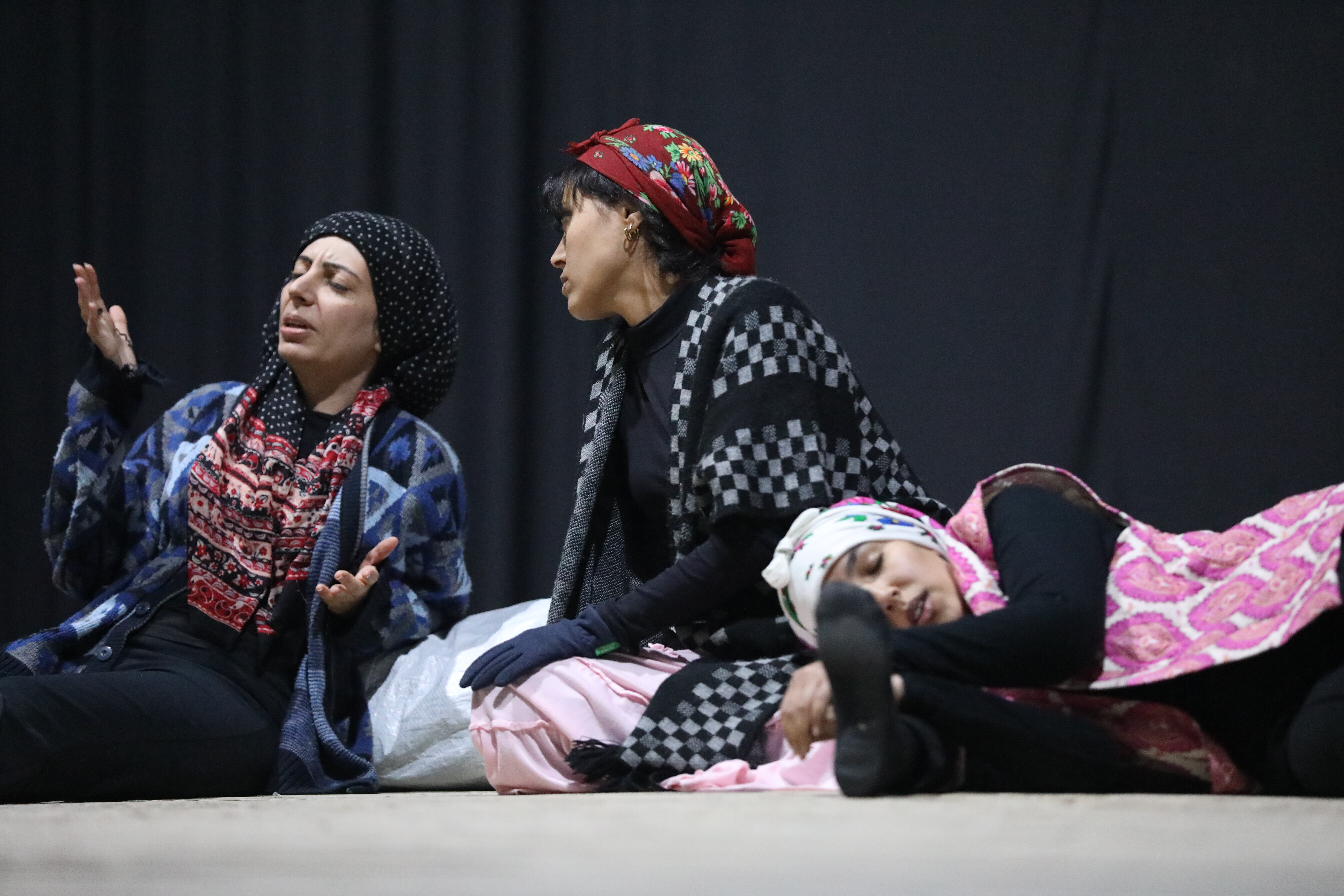
The Theater of the Oppressed was developed to facilitate collective reflection on social injustice, enabling communities to explore sensitive issues and propose solutions on stage through an interactive drama technique pioneered by the Brazilian dramatist Augusto Boal.
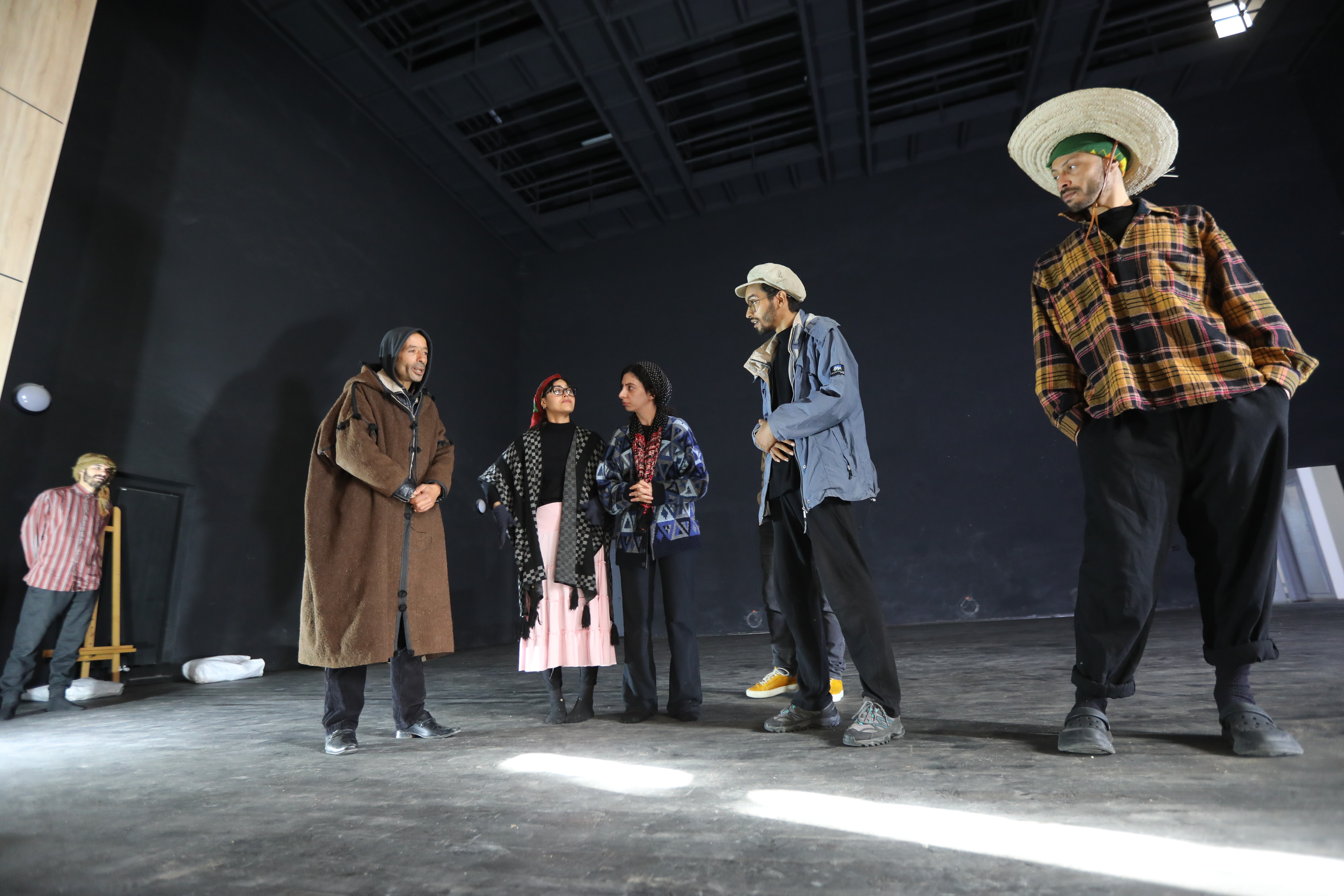
Through acting and role-playing in a participatory Forum Theater, more than 129 participants – around 86 women and 43 men – brought real-life challenges to the stage through four plays, providing a safe space for dialogue on sensitive issues related to workload distribution, leadership, and economic rights.
The plays were developed based on initial data collected through interviews and focus group discussions with men and women cooperative members in Kef. The scenes reflected issues women navigate every day, such as:
The long hours of unpaid care work layered on top of farm labor.
The hesitation to ask for access to machinery because “it’s men’s work.”
The assumption that men should represent the cooperative in markets.
The expectation that leadership belongs to men by default.
At key moments, spectators were invited to step in and propose a different ending. Some women whispered suggestions from their seats, other – younger – participants confidently challenged long-held norms, and some men stepped into women’s roles and argued for fairness. But no one disengaged or dismissed the issues as irrelevant. Instead, solutions began to surface, including shared household responsibilities, equal access to training and equipment, and recognition that women often understand and market their own products best.
“Maybe the women participants would not have been able to express themselves or share their opinions if it were not for the play, presented humorously but still touching us deeply and allowing us to voice what we truly felt,” expressed one of the women participants.
More Than a Performance
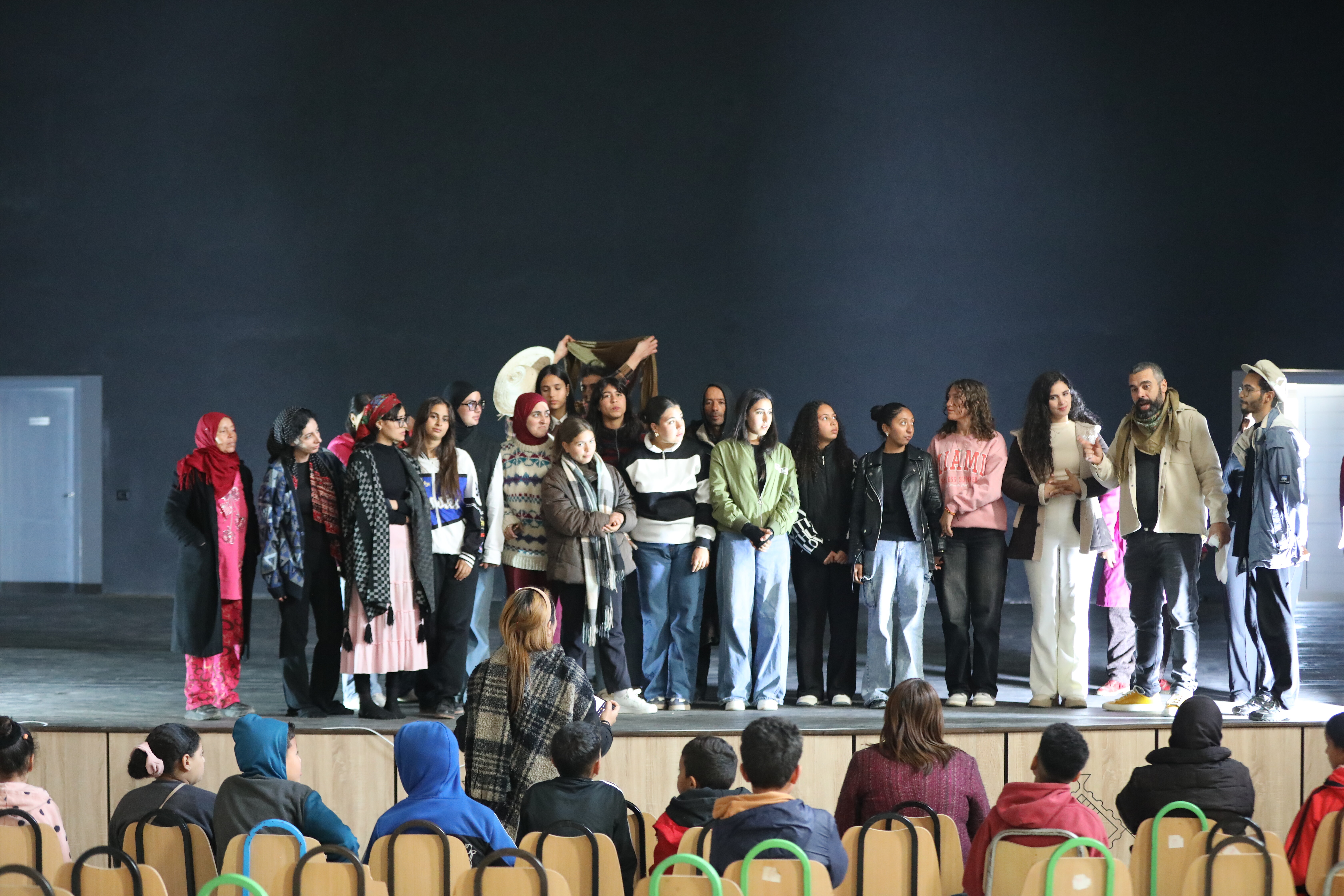
The experience also revealed other practical realities. Some women struggled to attend because of transport limitations from surrounding villages. Others hesitated to forgo a day’s wages. These minor details are reminders that participation has a cost, underscoring the need to account for logistical and economic barriers when planning these activities.
Yet despite these constraints, participants, officials and farmers alike, expressed strong interest in replicating the approach in other regions within their own communities and using theater to bring attention to the lived struggles women experience in rural contexts which are often difficult to address through conventional methods, while also highlighting the need for continued capacity-building or dialogue sessions, signaling community demand for sustained engagement beyond the performances.
From Dialogue to Action
While Tunisia has advanced important legal reforms to promote gender equality, many rural women continue to face practical barriers that limit the exercise of those rights. Heavy unpaid care workloads, limited voice in cooperative decisions, and unequal access to equipment and markets constrain women’s full participation in agri-food systems. These constraints directly affect productivity, household income, and the resilience of rural communities.
Through participatory methods such as Theater of the Oppressed, ICARDA is advancing gender-transformative innovation in ways that address the underlying structural barriers first. By combining research, community-based solutions, and partnerships with national actors, these initiatives move beyond analysis and toward action.
Policy alone cannot lead to change; it begins with both women and men stepping onto a stage and refusing to step back.
Contributors:
- Dorsaf Oueslati, Senior Research Assistant - Gender Equality, Inclusion and Women's Empowerment, ICARDA
- Dr. Dina Najjar, Senior Gender Scientist, ICARDA